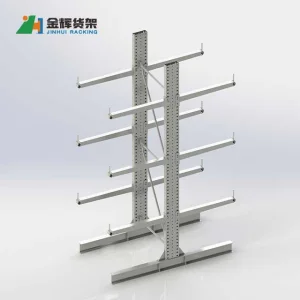
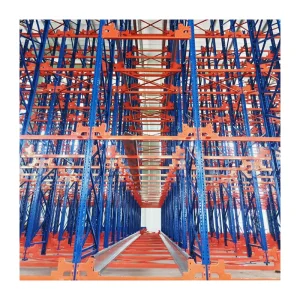
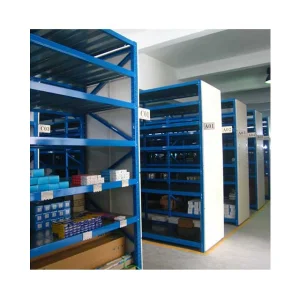
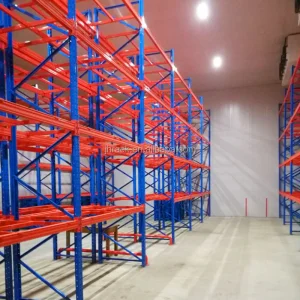
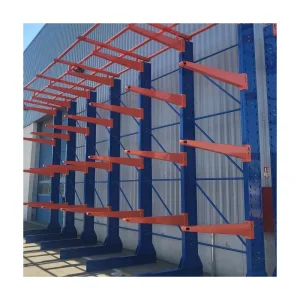
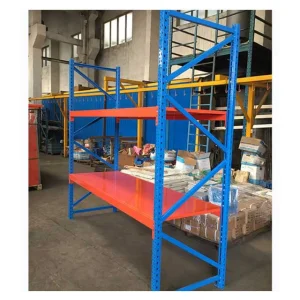
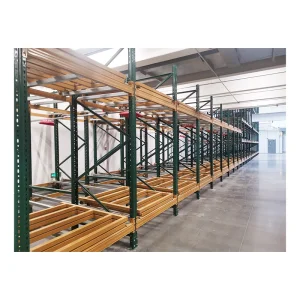
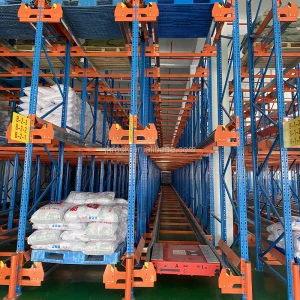
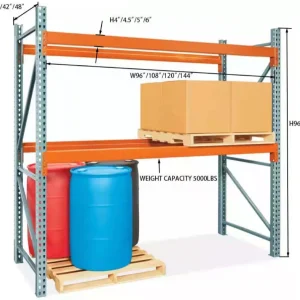
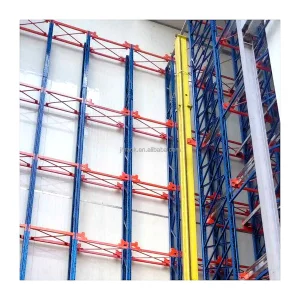
Engineered high-density storage solutions designed to maximize volumetric efficiency and warehouse safety. Select from our core product range below.
A Detailed Analysis of Advanced Industrial Warehouse Solutions and Global Supply Chain Integration.
Modern global logistics centers, industrial manufacturing complexes, and automated distribution environments demand unprecedented structural reliability and space utilization. In high-density storage applications, dynamic load factors, micro-tolerances, and seismic resilience must be built directly into the structural steel architecture. Operating as a premier OEM/ODM steel structures factory and exporter, Dongguan Jinhui Storage Equipment Co., Ltd. delivers high-caliber, tailor-made structural systems designed to handle the most demanding static and kinetic loading configurations.
Since our founding in 2017, Jinhui has combined mechanical engineering precision with extensive metallurgy expertise to build robust warehousing infrastructures. Spanning a state-of-the-art facility of over 18,600 square meters, we maintain a complete, end-to-end production ecosystem in China. This layout is designed to service industrial distributors, e-commerce giants, and structural contractors worldwide, offering full-scale customizable solutions backed by decades of aggregated engineering wisdom.
Why global procurement leaders choose Jinhui's manufacturing cluster for their critical warehouse storage infrastructure.
By leveraging China's dense, high-purity carbon steel supply network, Jinhui guarantees direct access to premium Q235B and Q355B grade structural steel. These alloys feature exceptional yield strength, plasticity, and weldability, forming the core requirement for static safety factors in high-rise, heavy-duty racking.
Our manufacturing complex houses high-precision CNC punching configurations, automatic steel rolling mills, multi-axis laser profiling tools, and robotic welding clusters. This minimizes thermal deformation zones in joints and maintains dimensional tolerance deviations under 0.5mm, vital for compatibility with high-speed automated storage retrieval systems (AS/RS).
Guided by our ISO 9001 certified quality framework, every output component undergoes comprehensive third-party testing. We evaluate load capacity limits, raw material grain structures, welding penetration integrity, and coat thicknesses, ensuring installations comply with RMI guidelines, FEM design codes, and global European standard EN 15512.
Trace our manufacturing line from raw steel inspection through cold forming, robotic welding, and automated surface treatment.
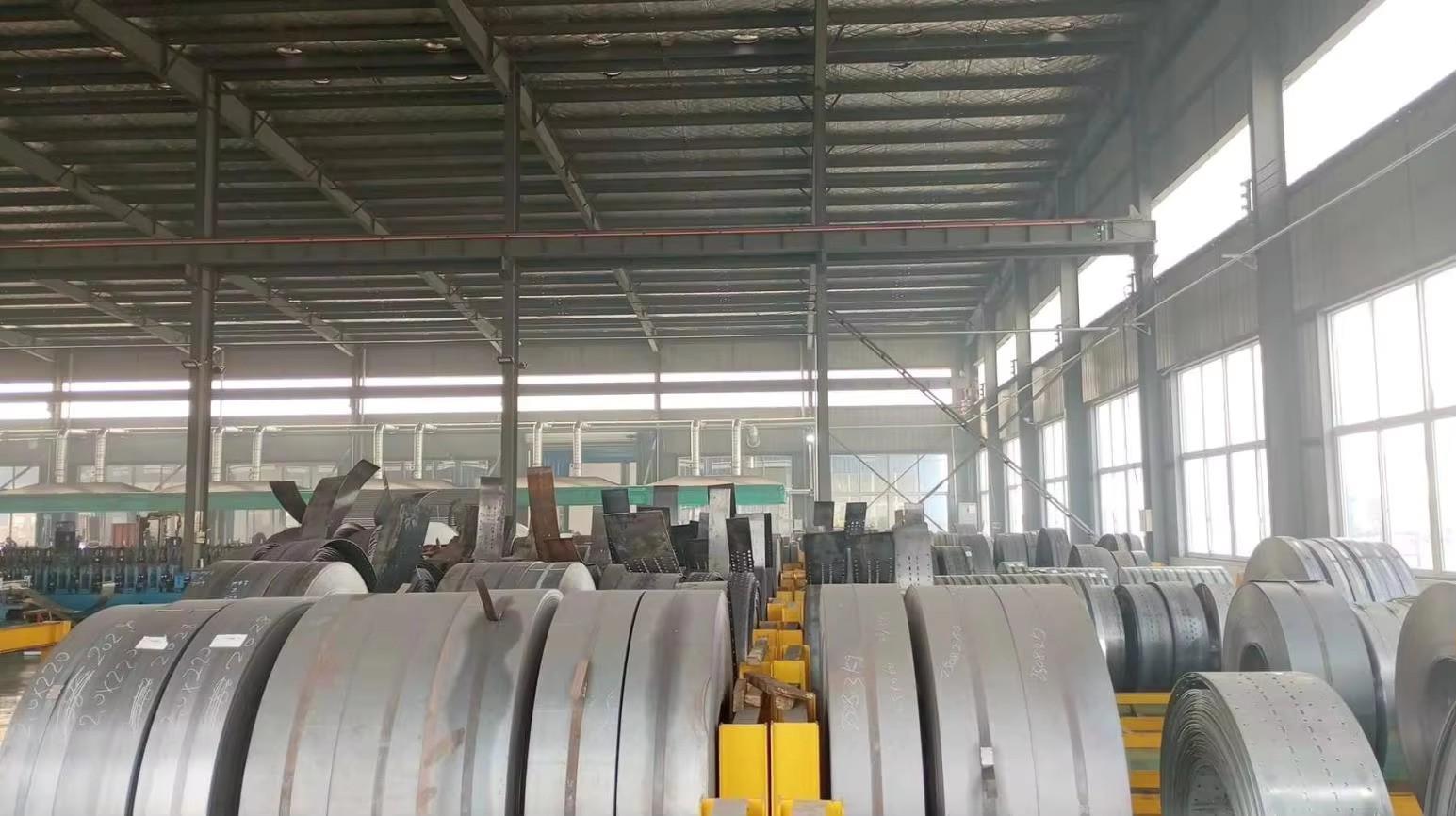 Raw Material
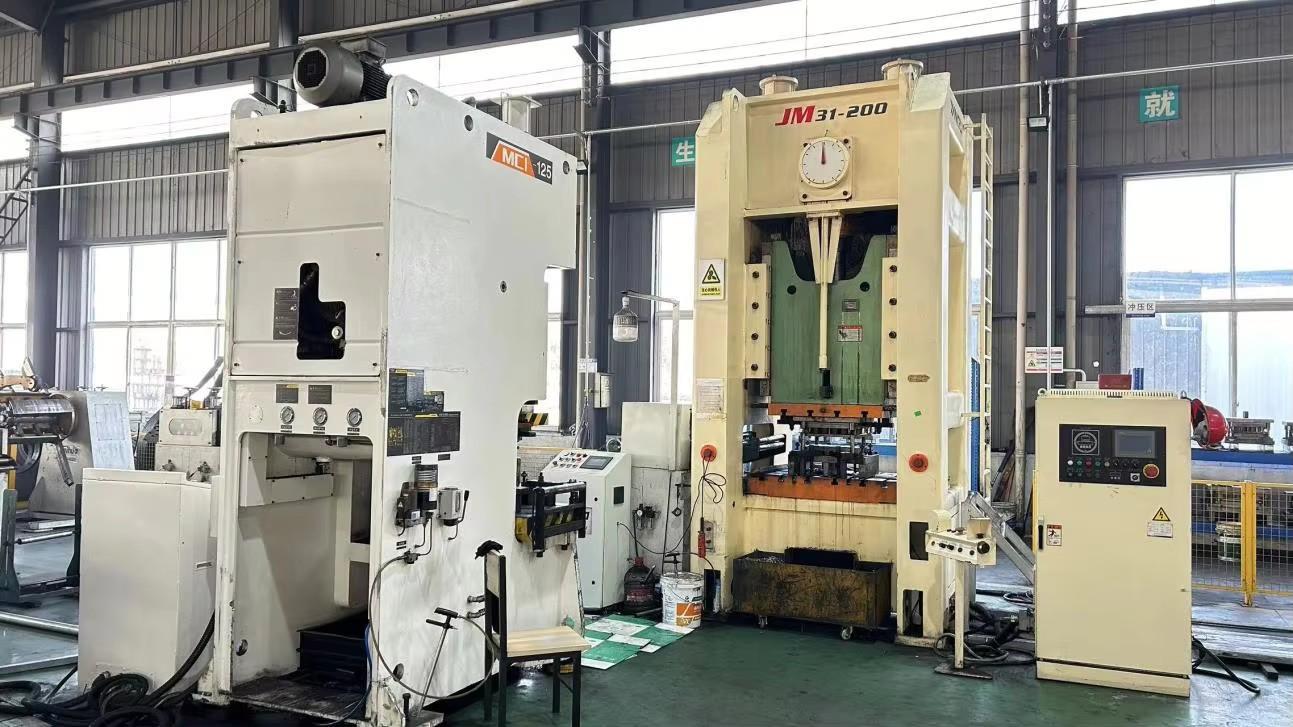 Pressing
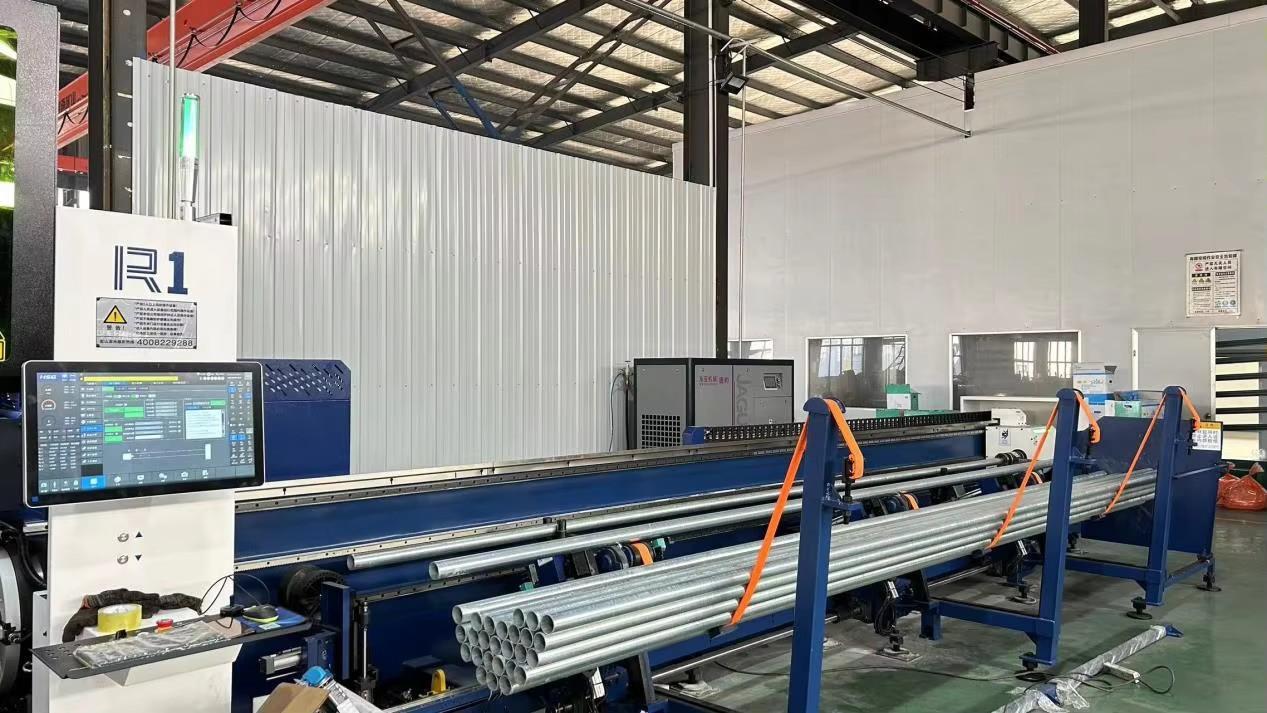 Cutting
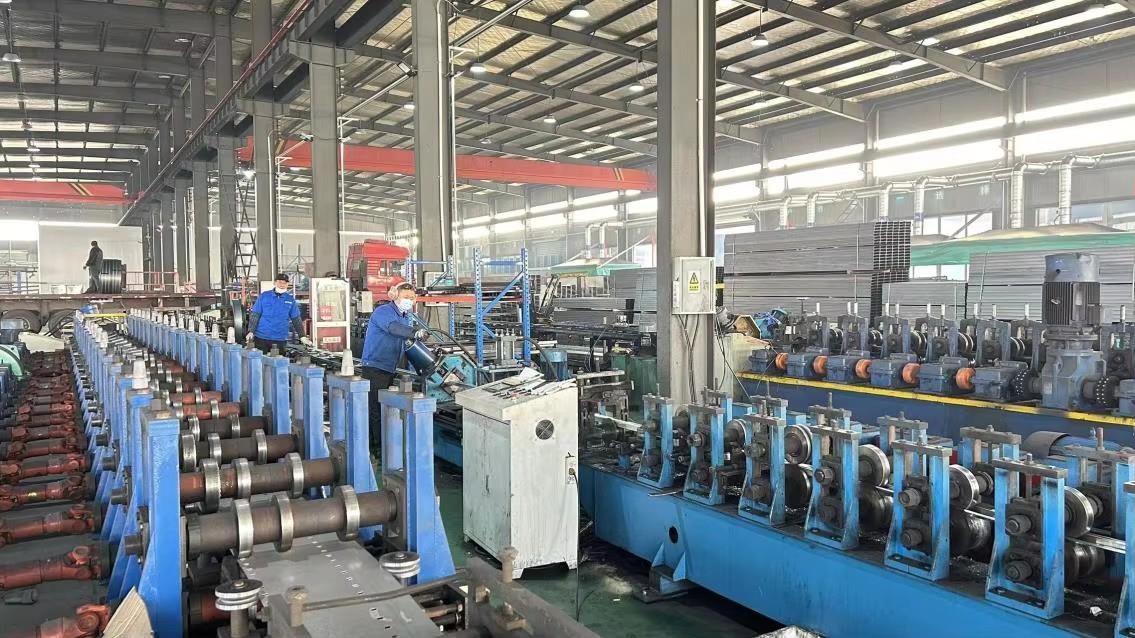 Bending & Forming
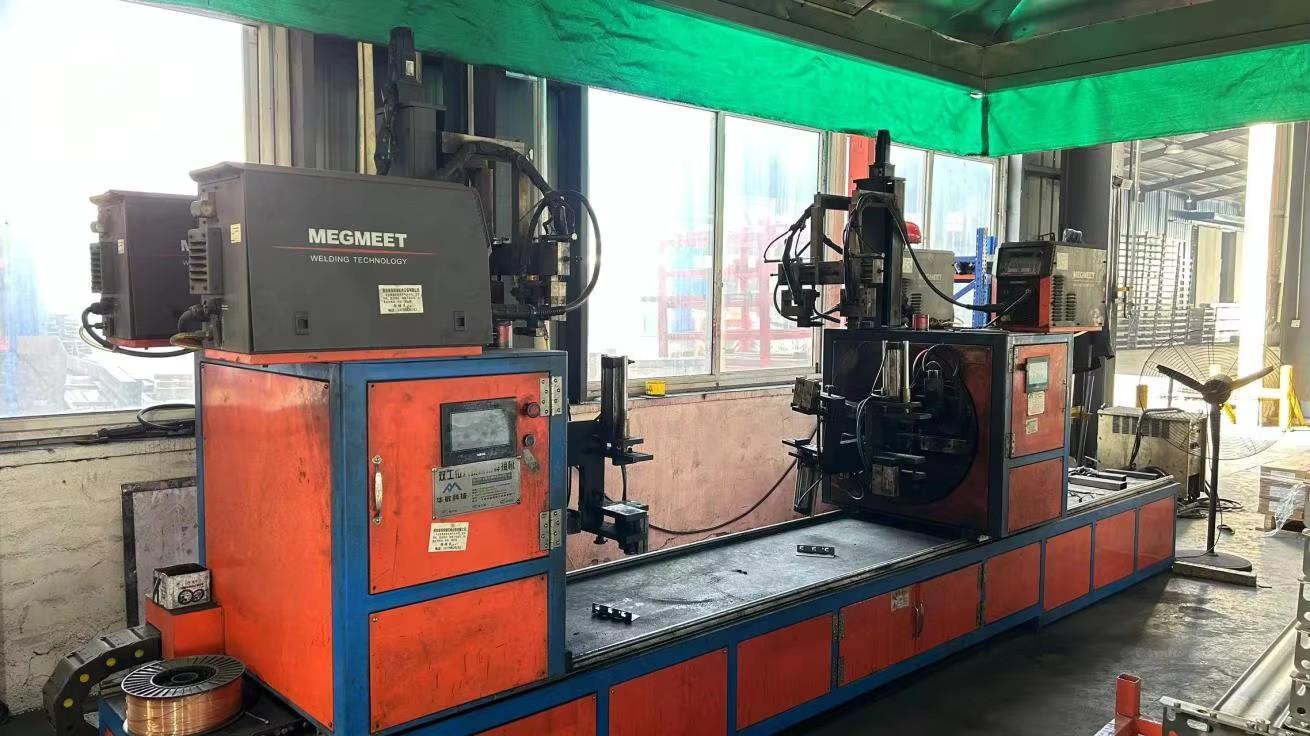 Auto Welding Machine
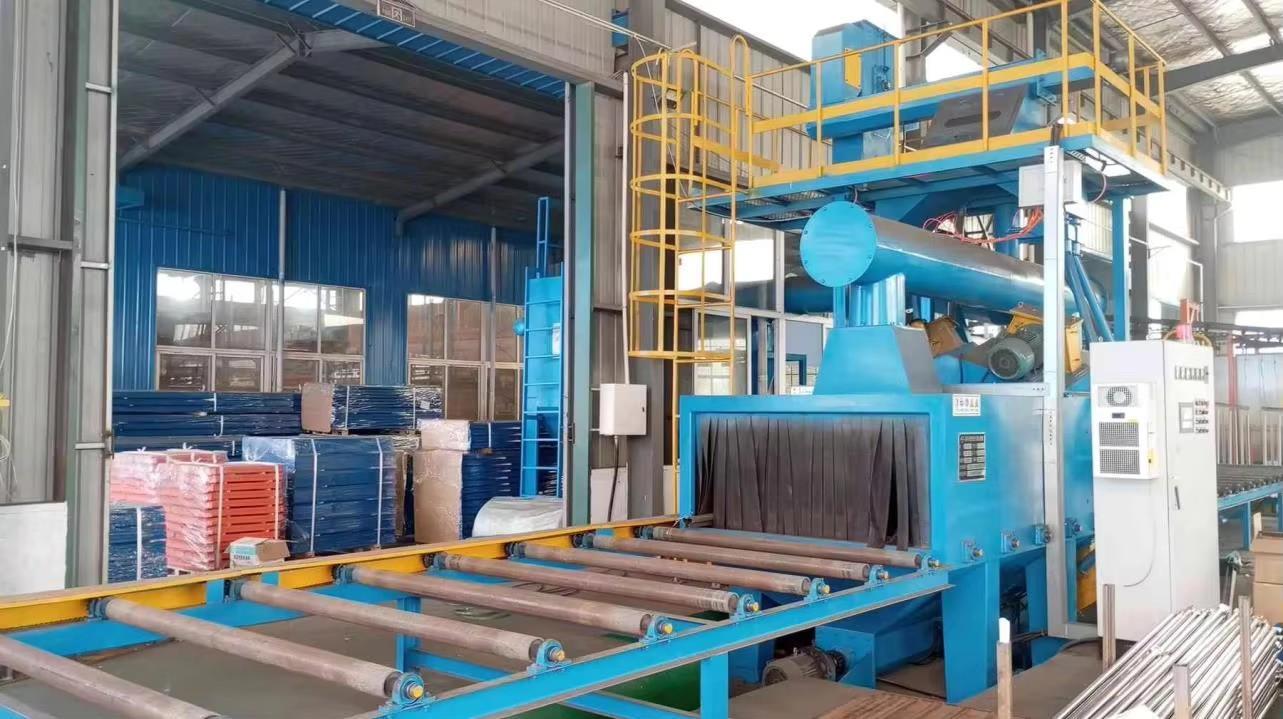 Polishing Machine
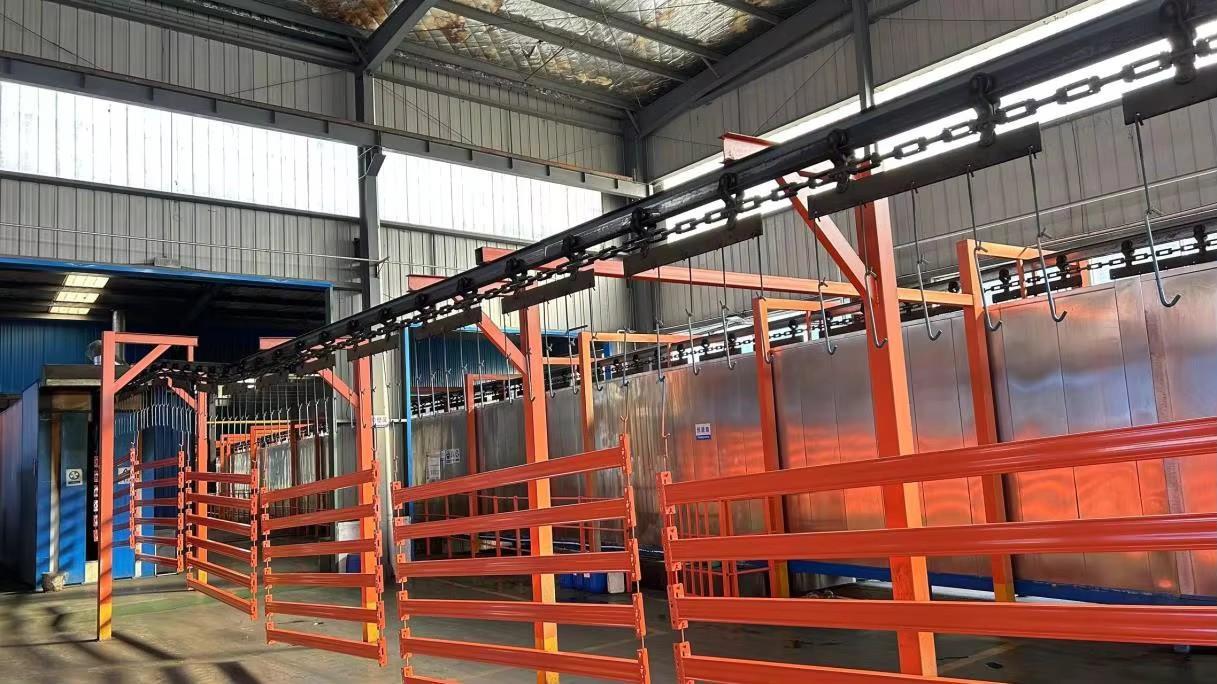 Painting Production Line
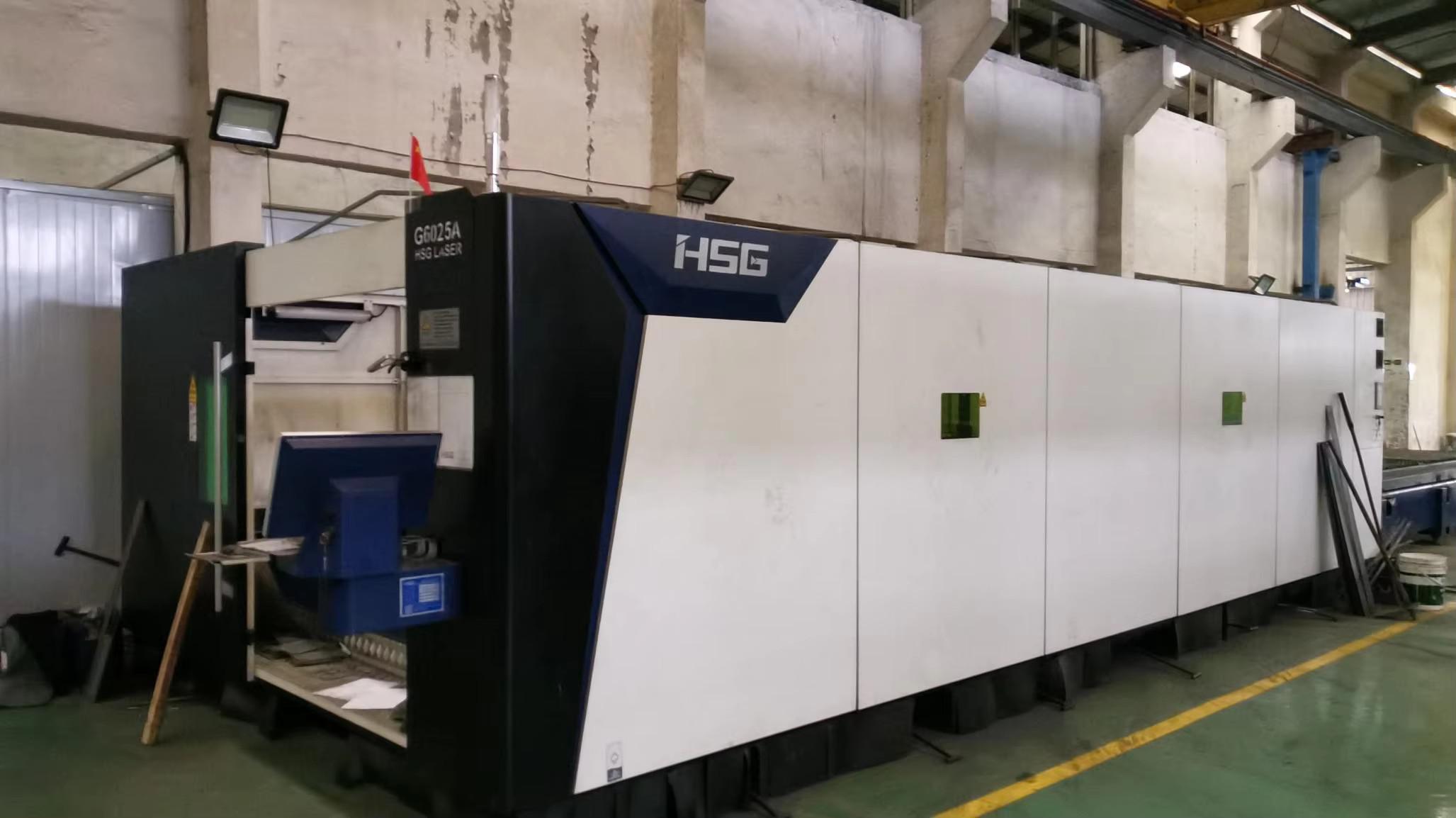 Precision Cutting
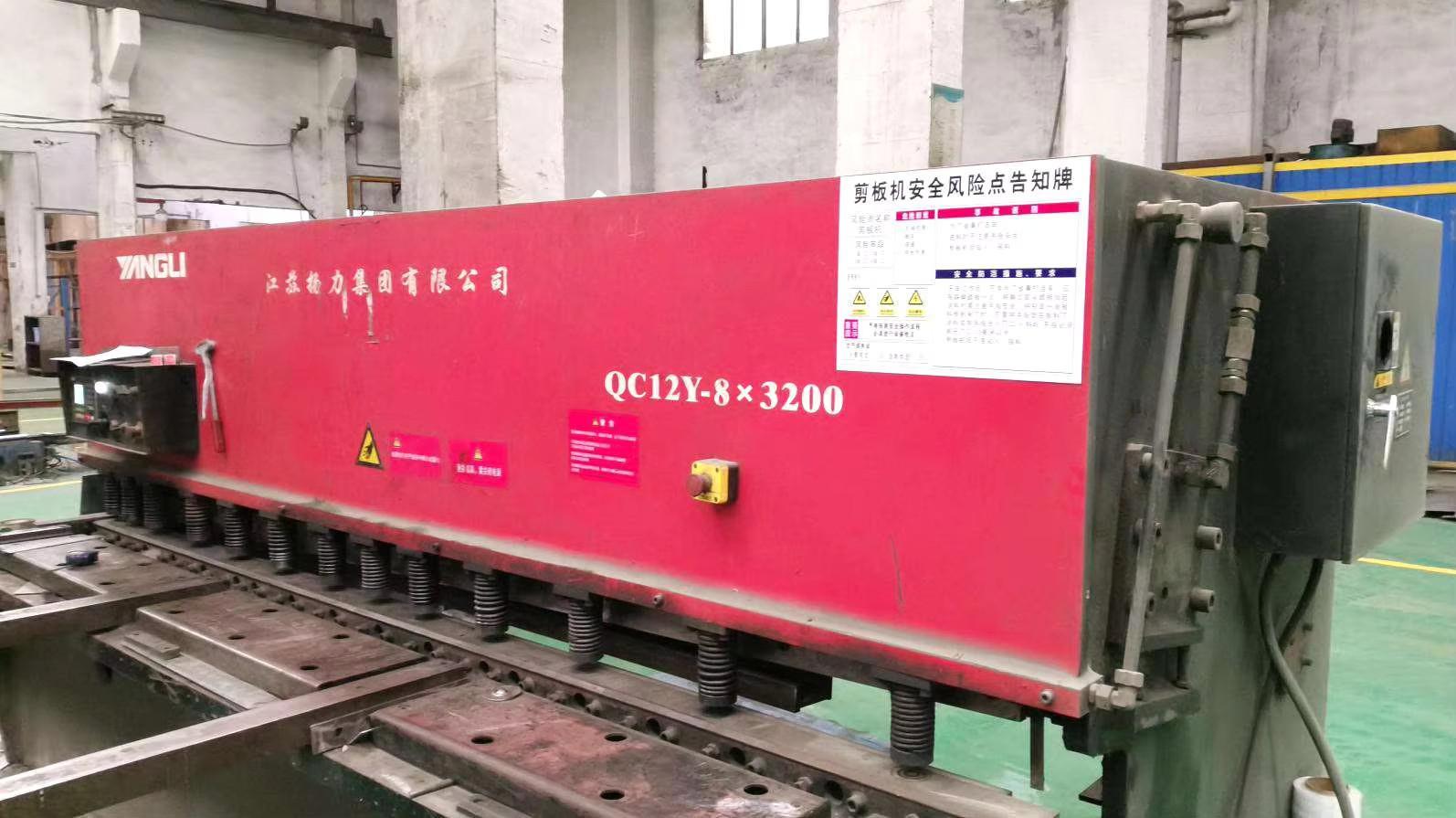 Plate Shearing
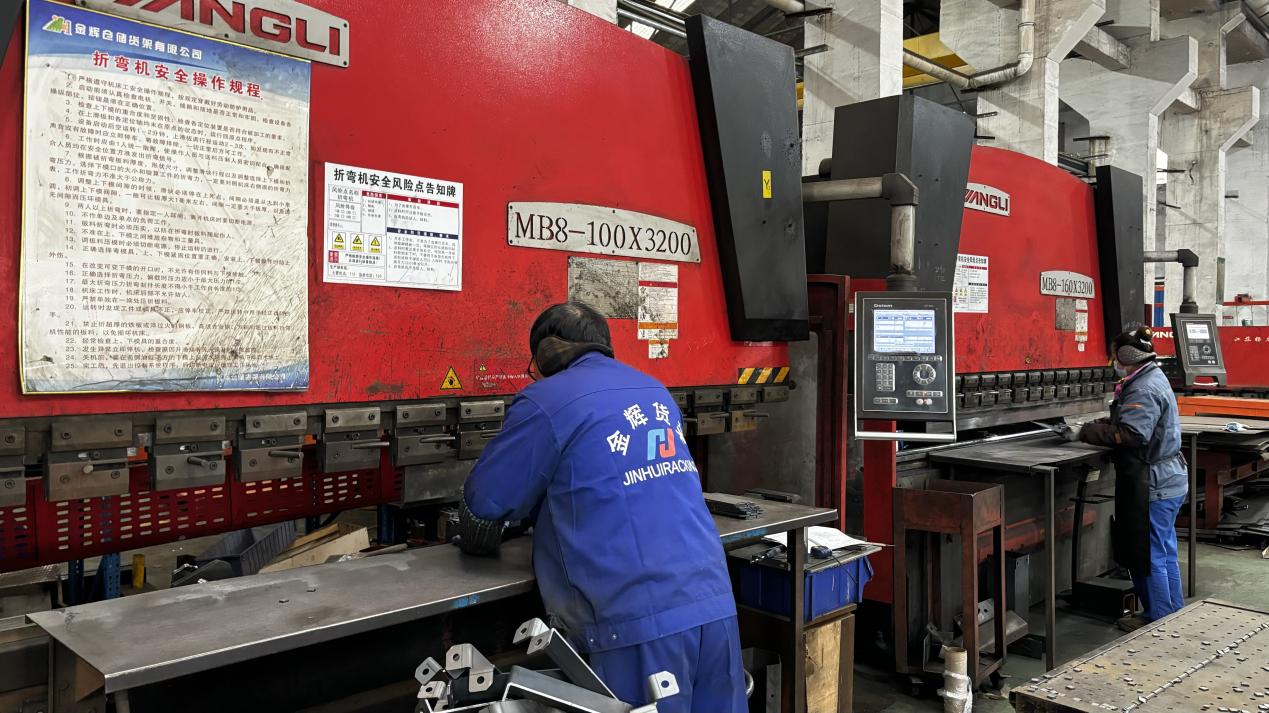 Plate Bending
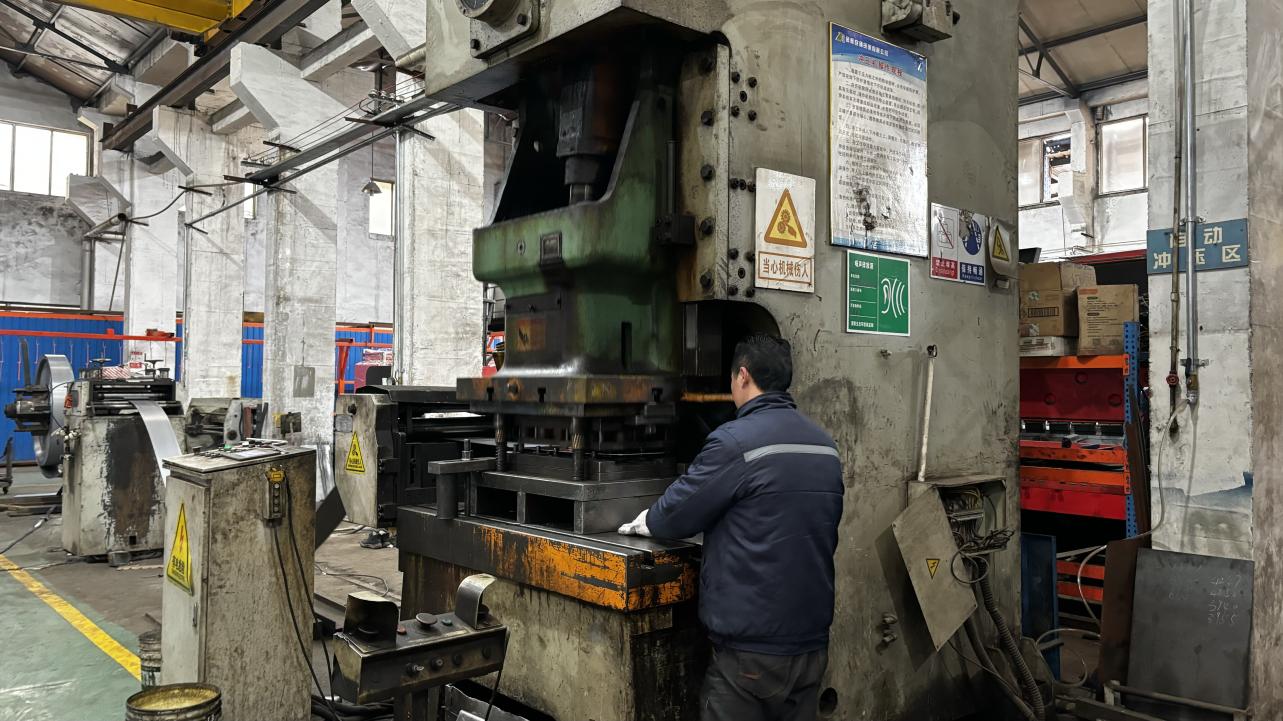 CNC Punching
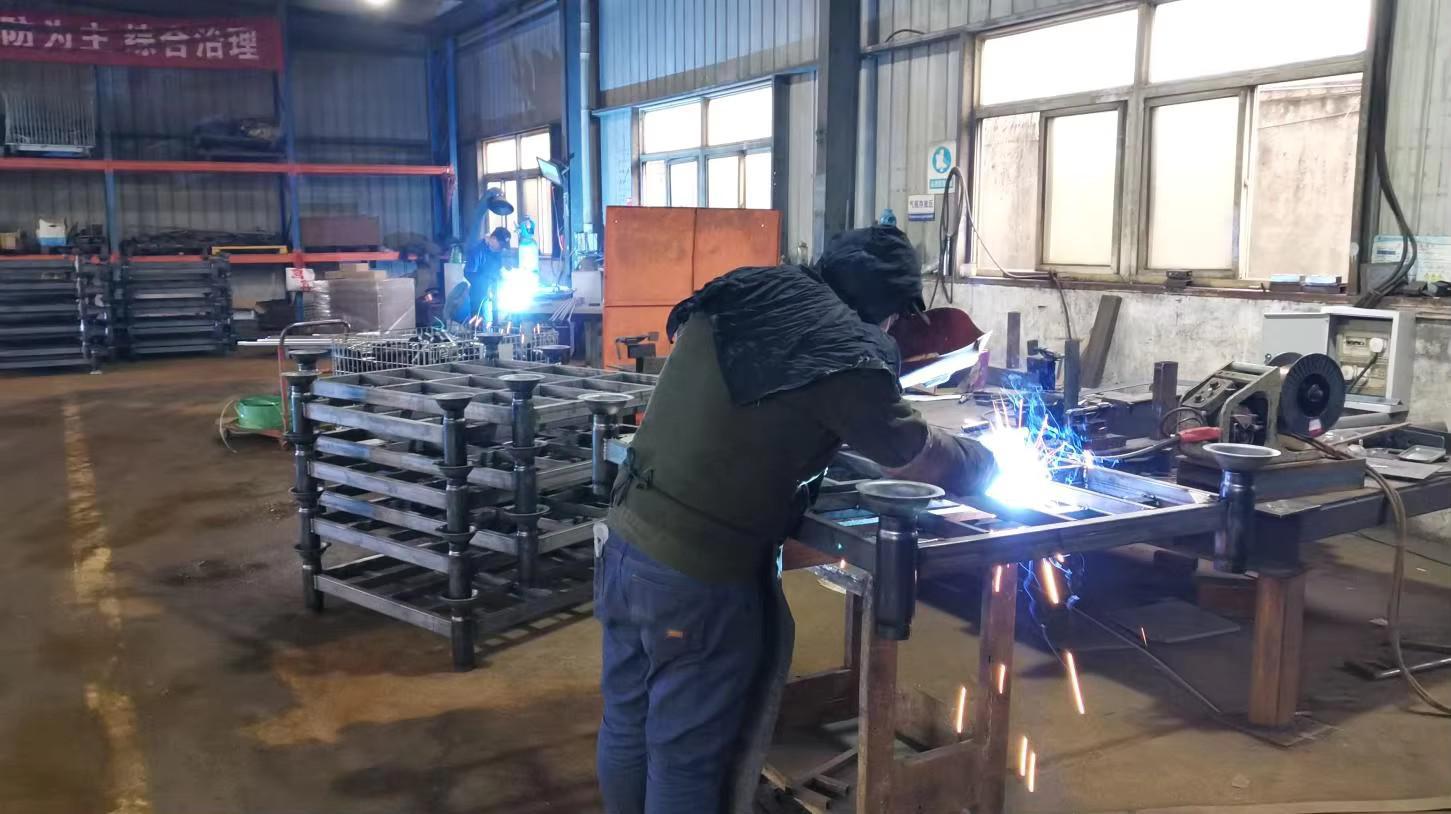 Manual Spot Welding
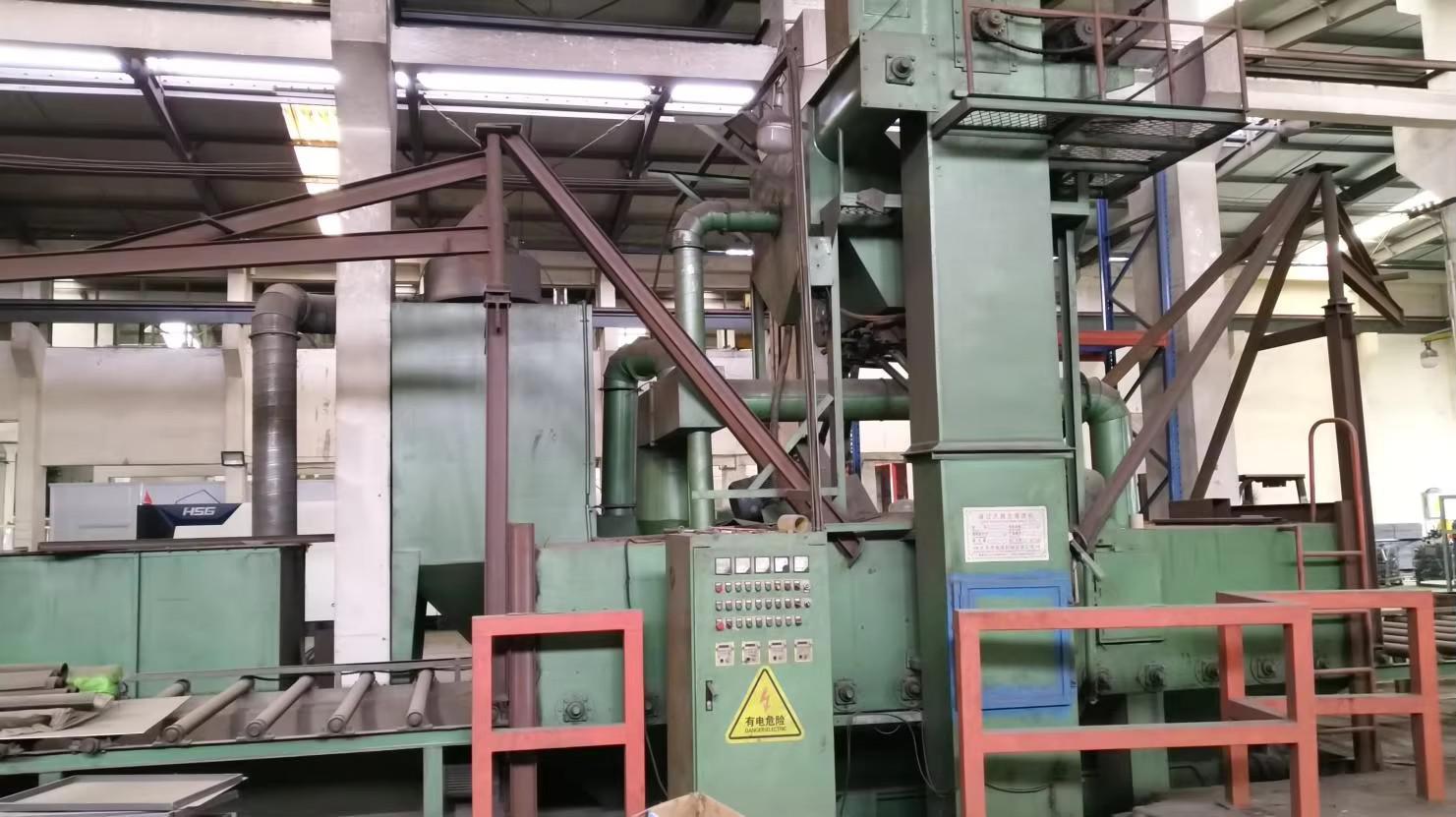 Structural Shot Blasting
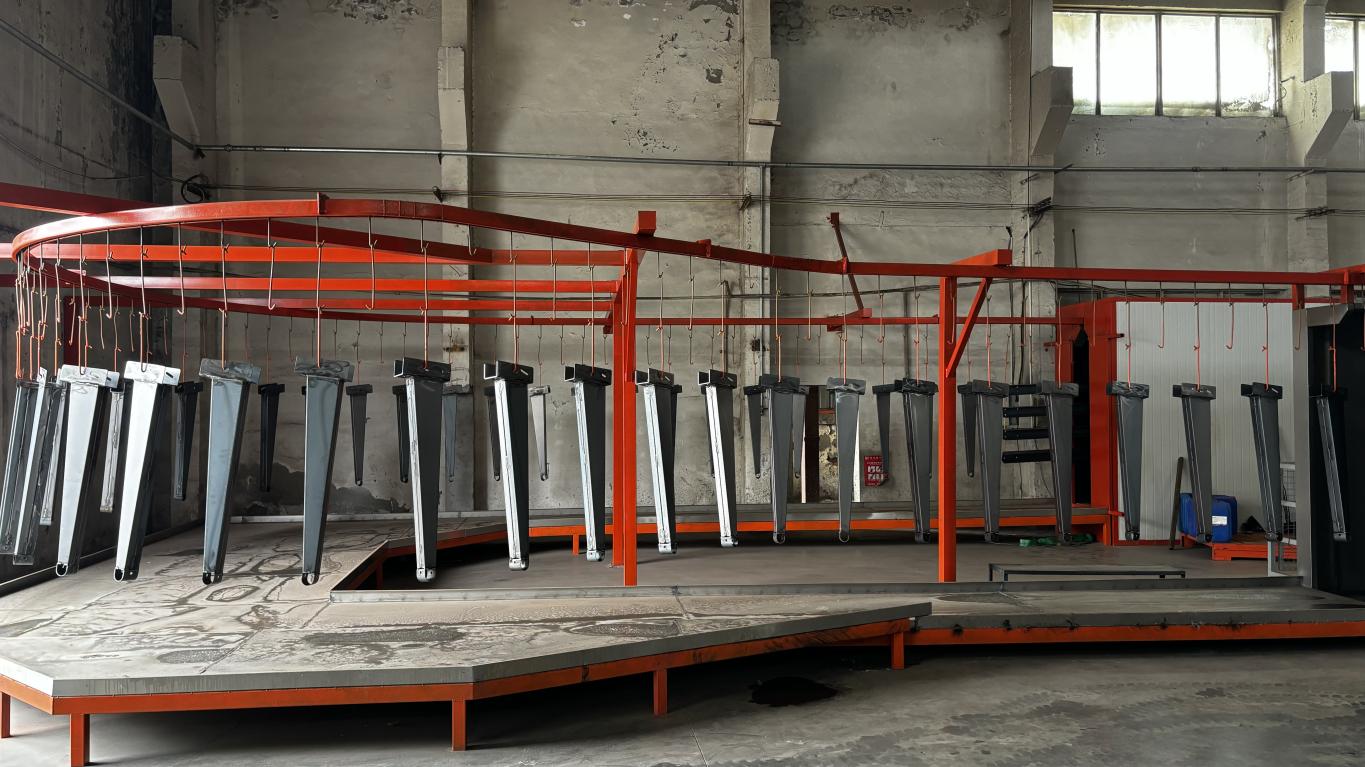 Powder Coating
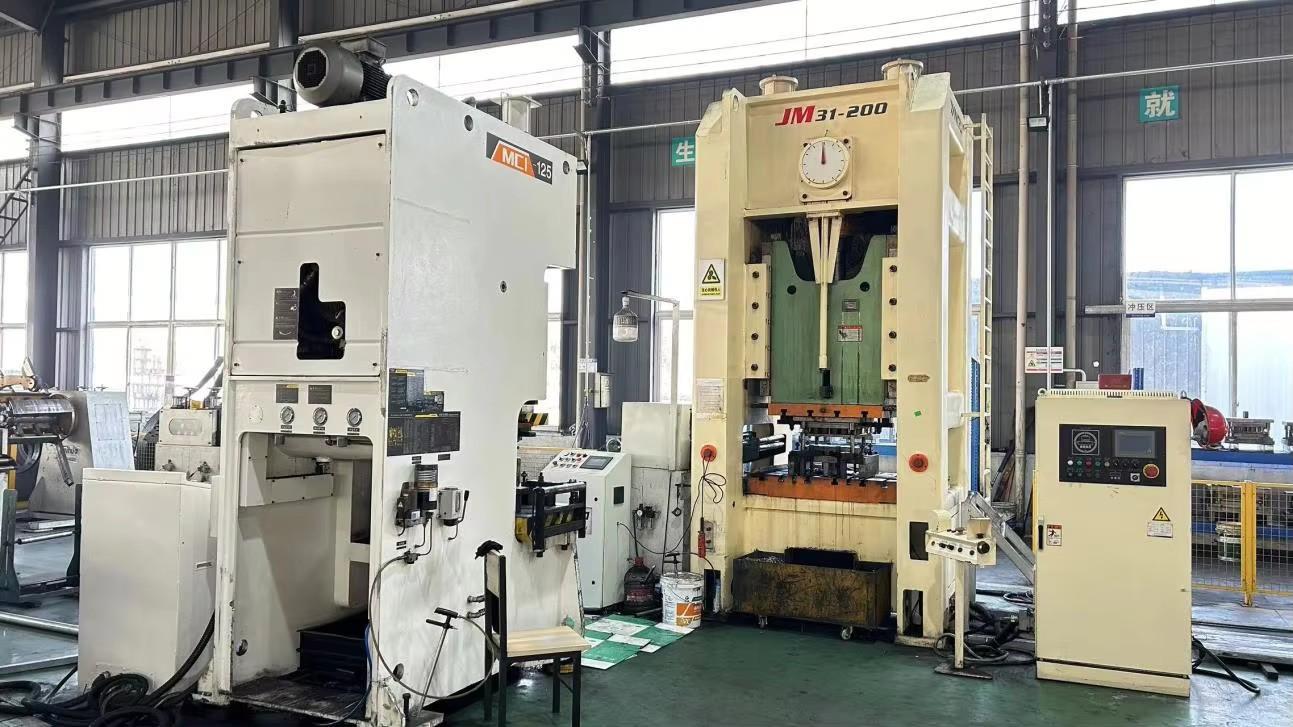 Heavy Pressing Machine
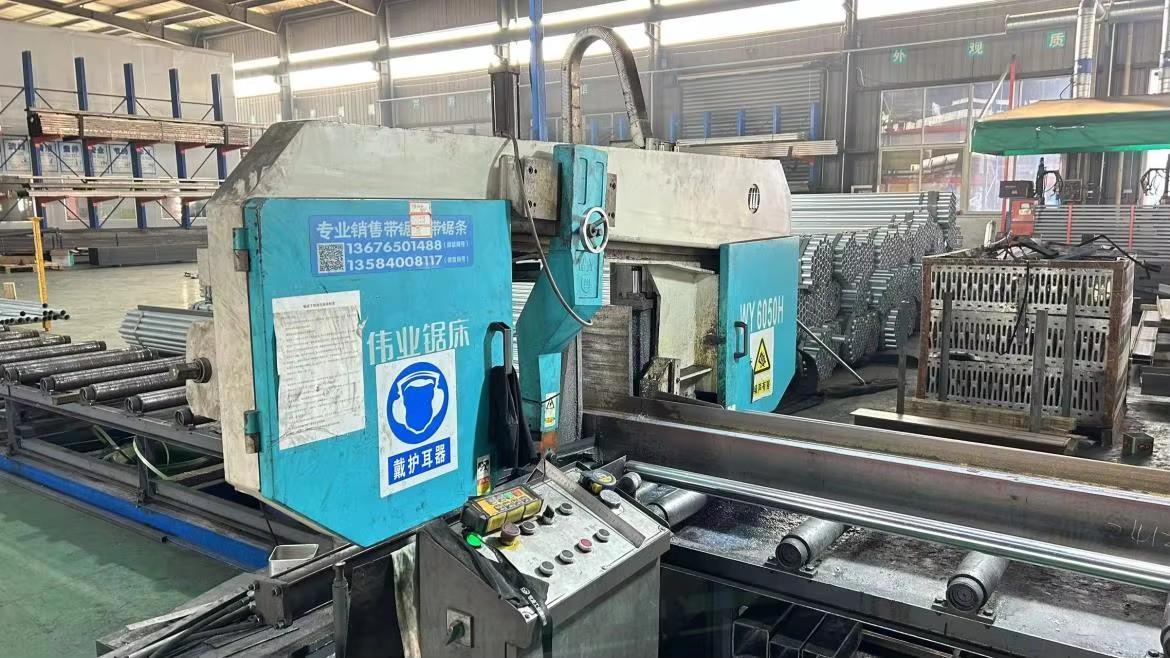 Hydraulic Sawing M/C 1
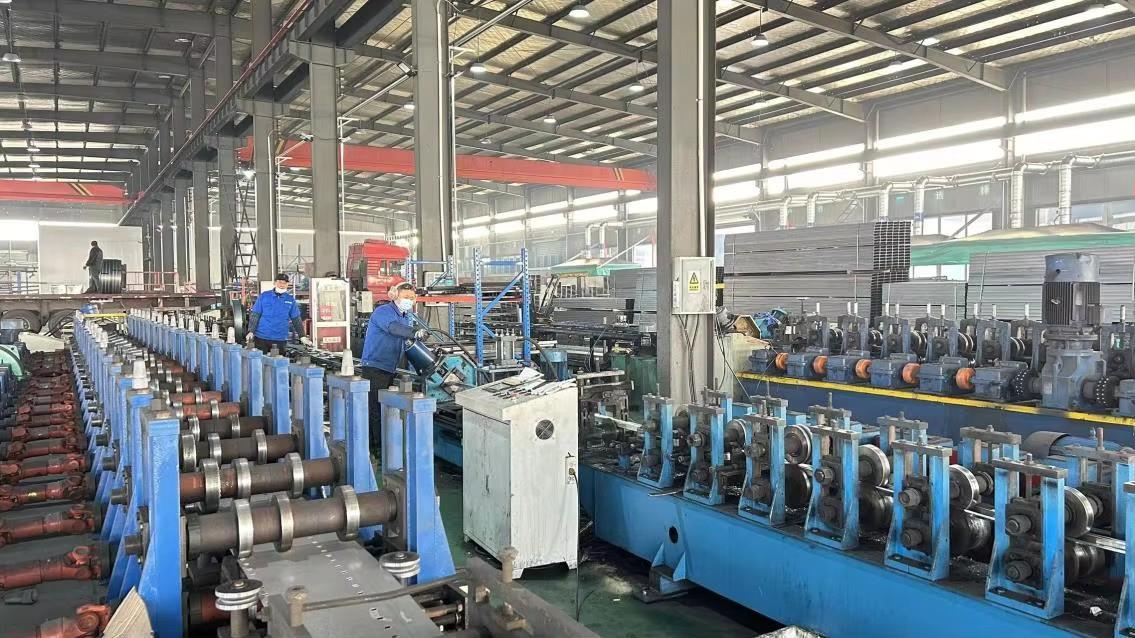 Hydraulic Sawing M/C 2
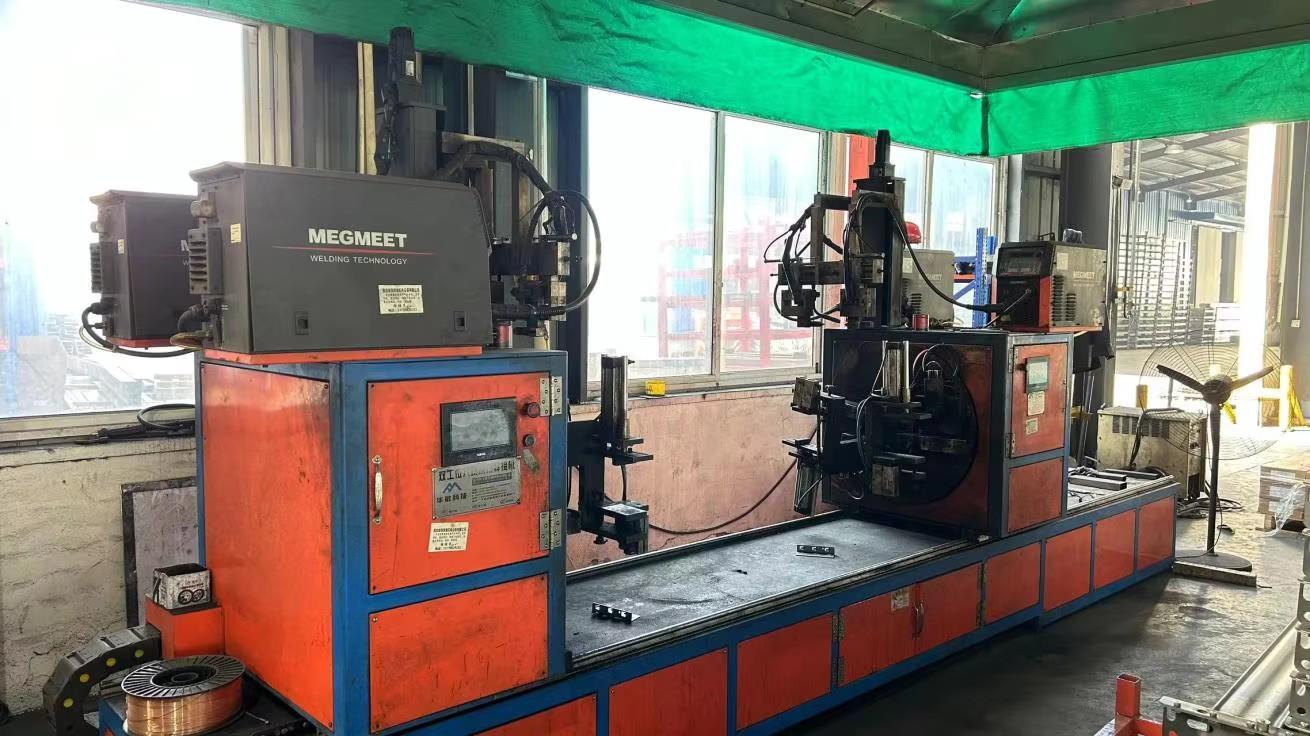 Auto Welding Station
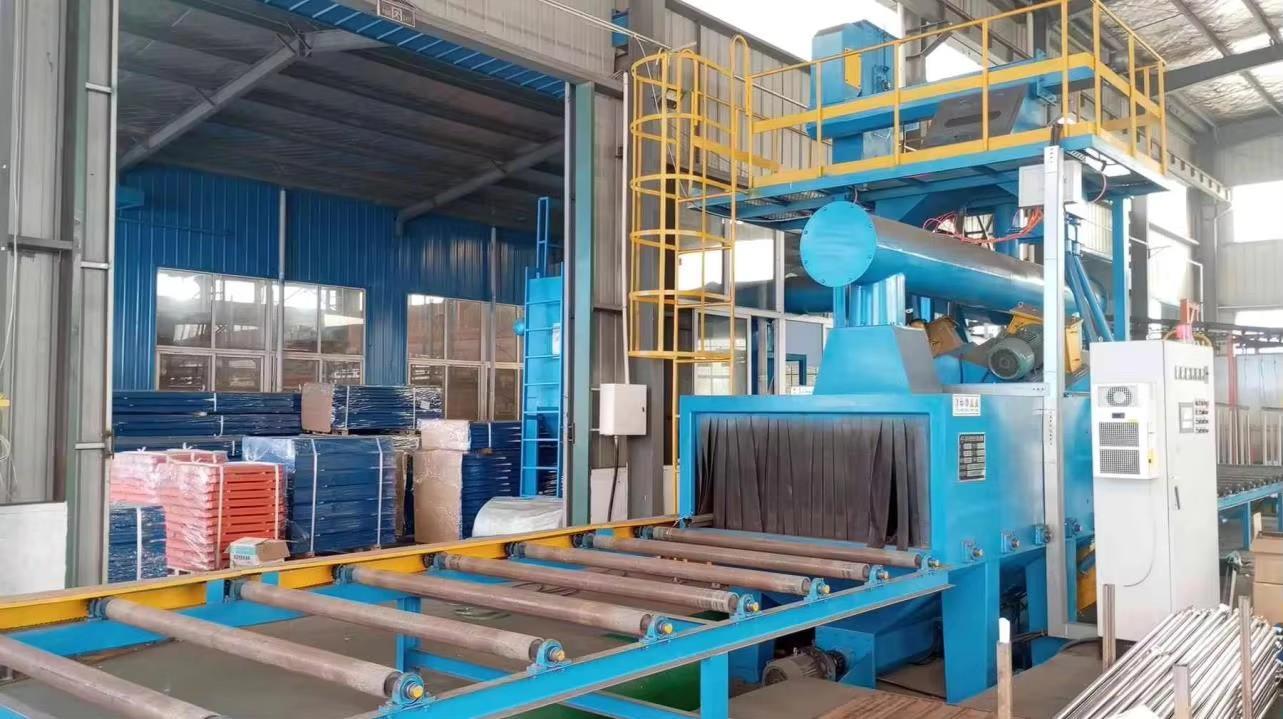 High-Efficiency Polisher
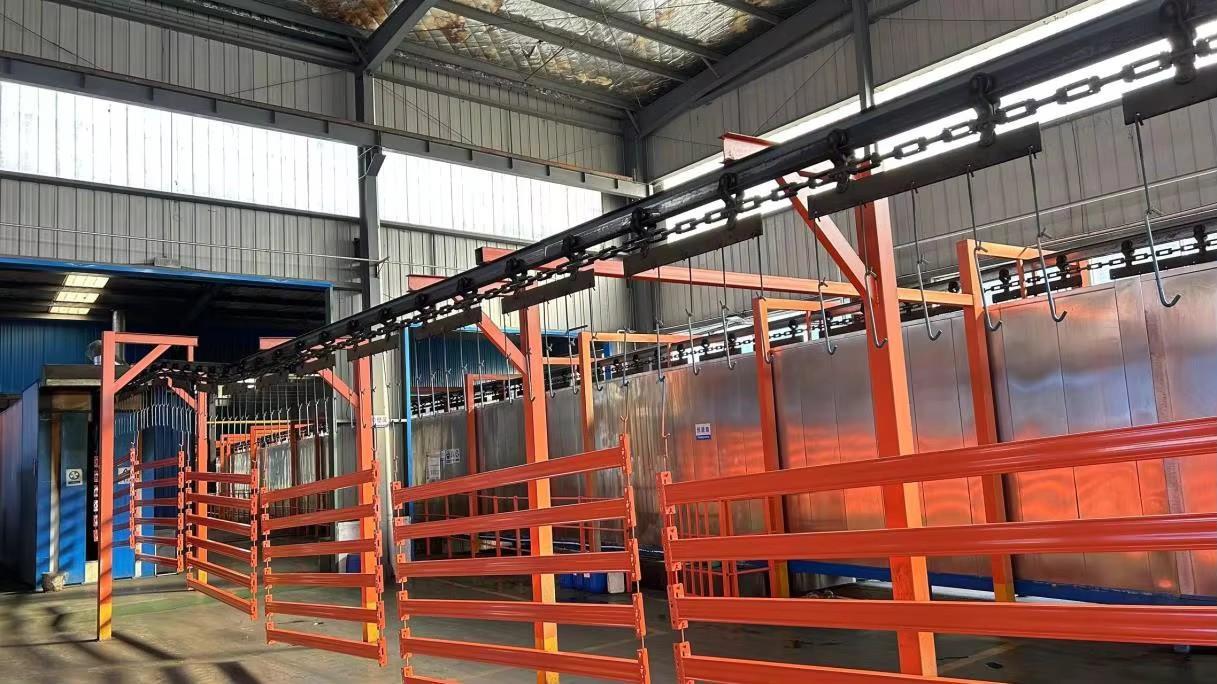 Finished Painting Line
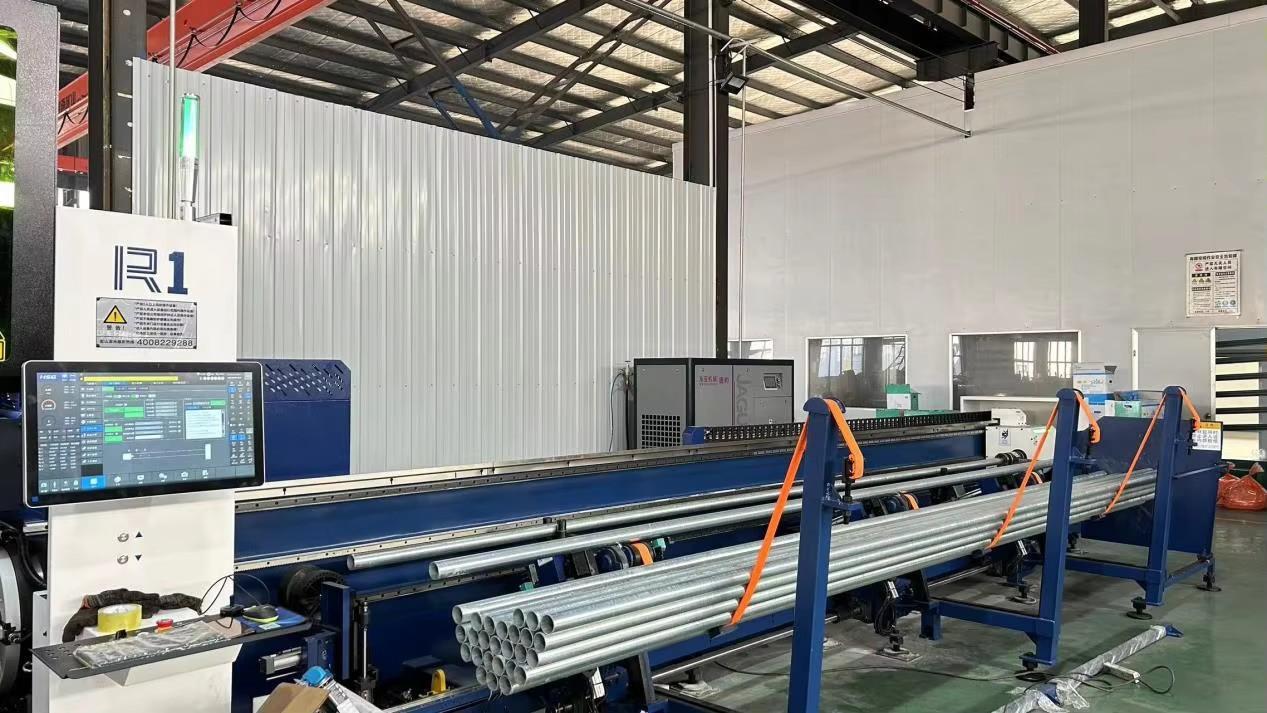 Laser Cutting Machine 1
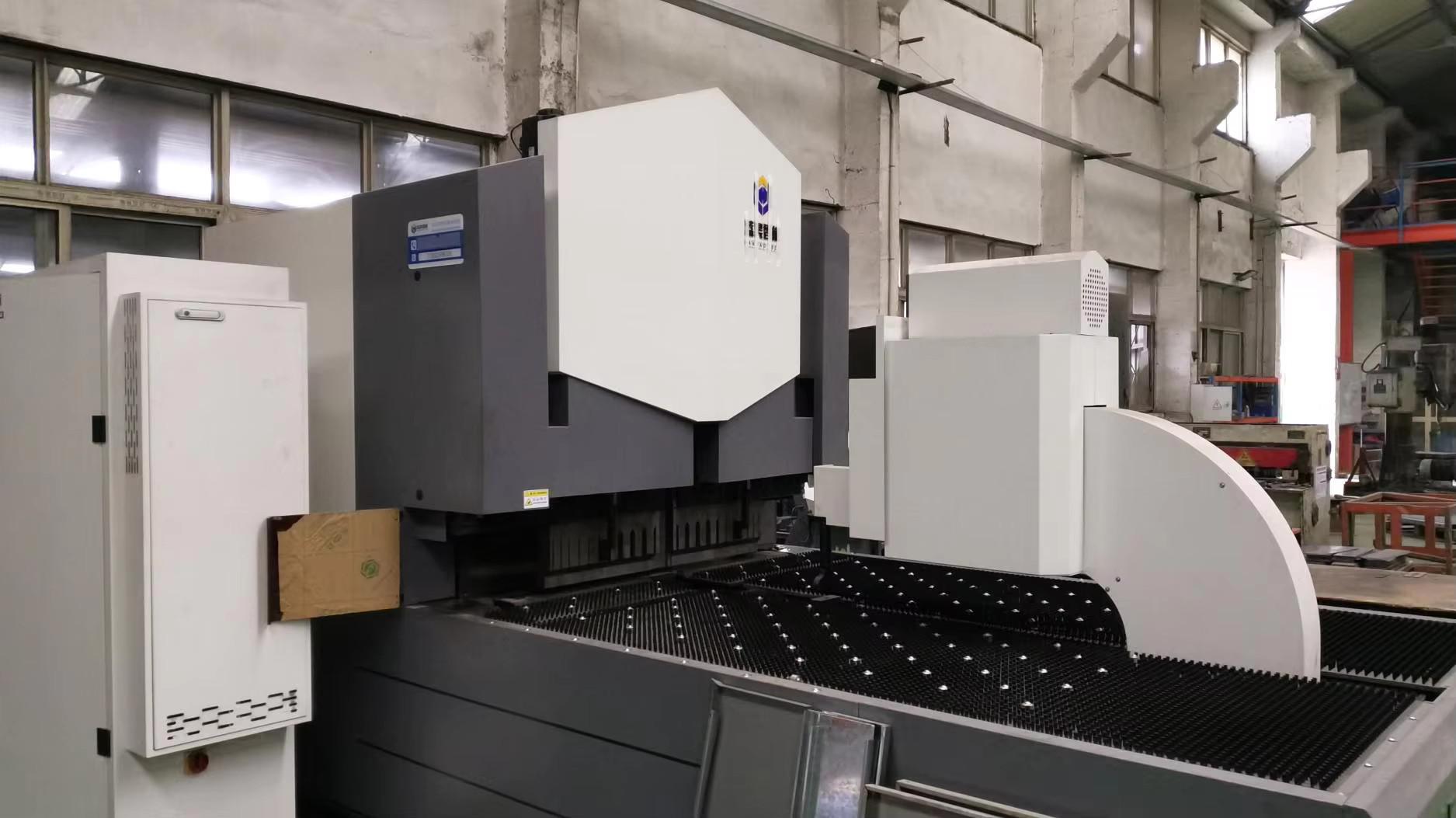 Flame Cutting Machine
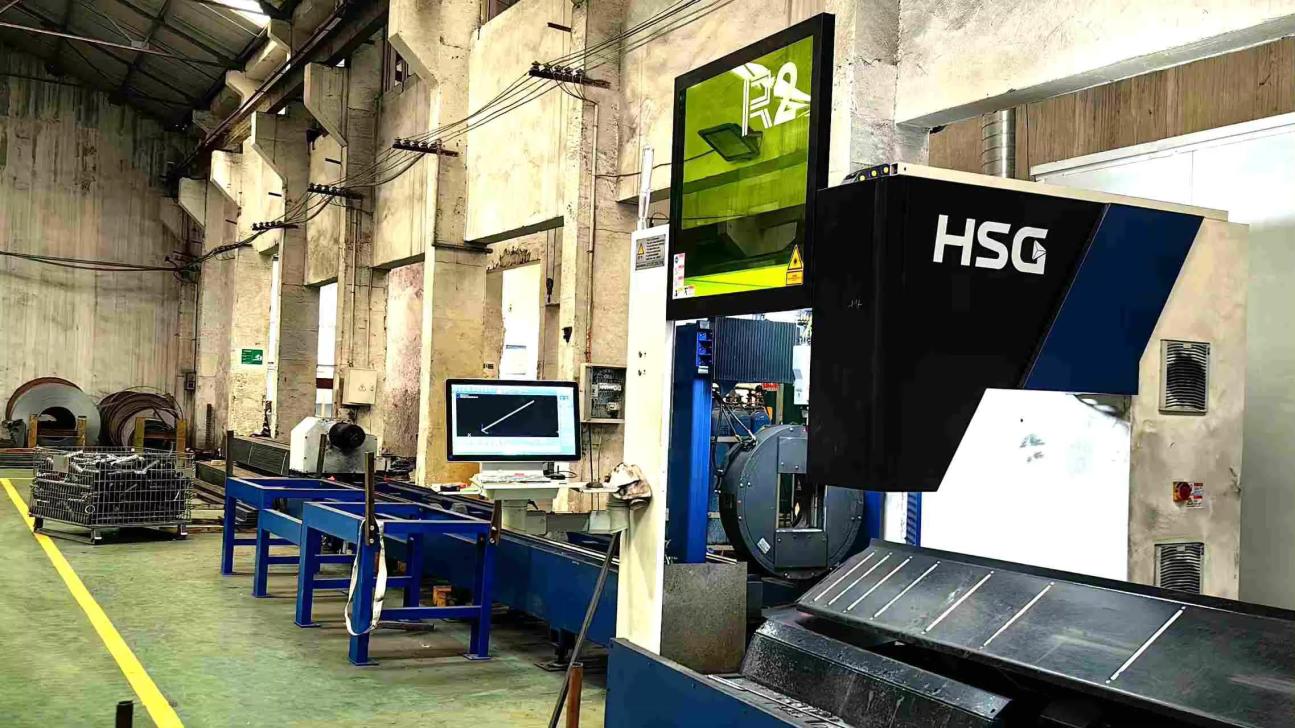 Profiling Cutter
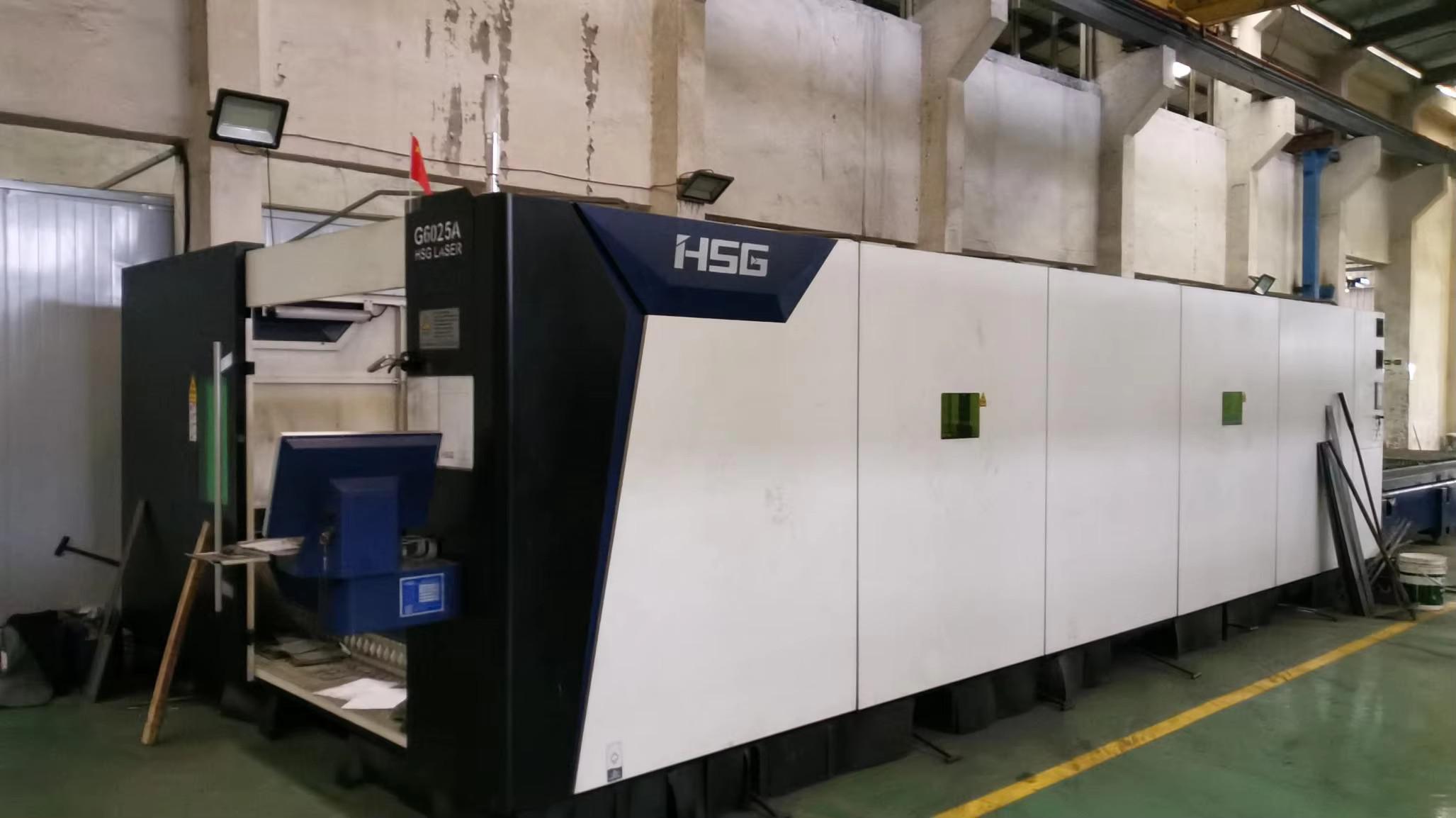 Laser Cutting Machine 2
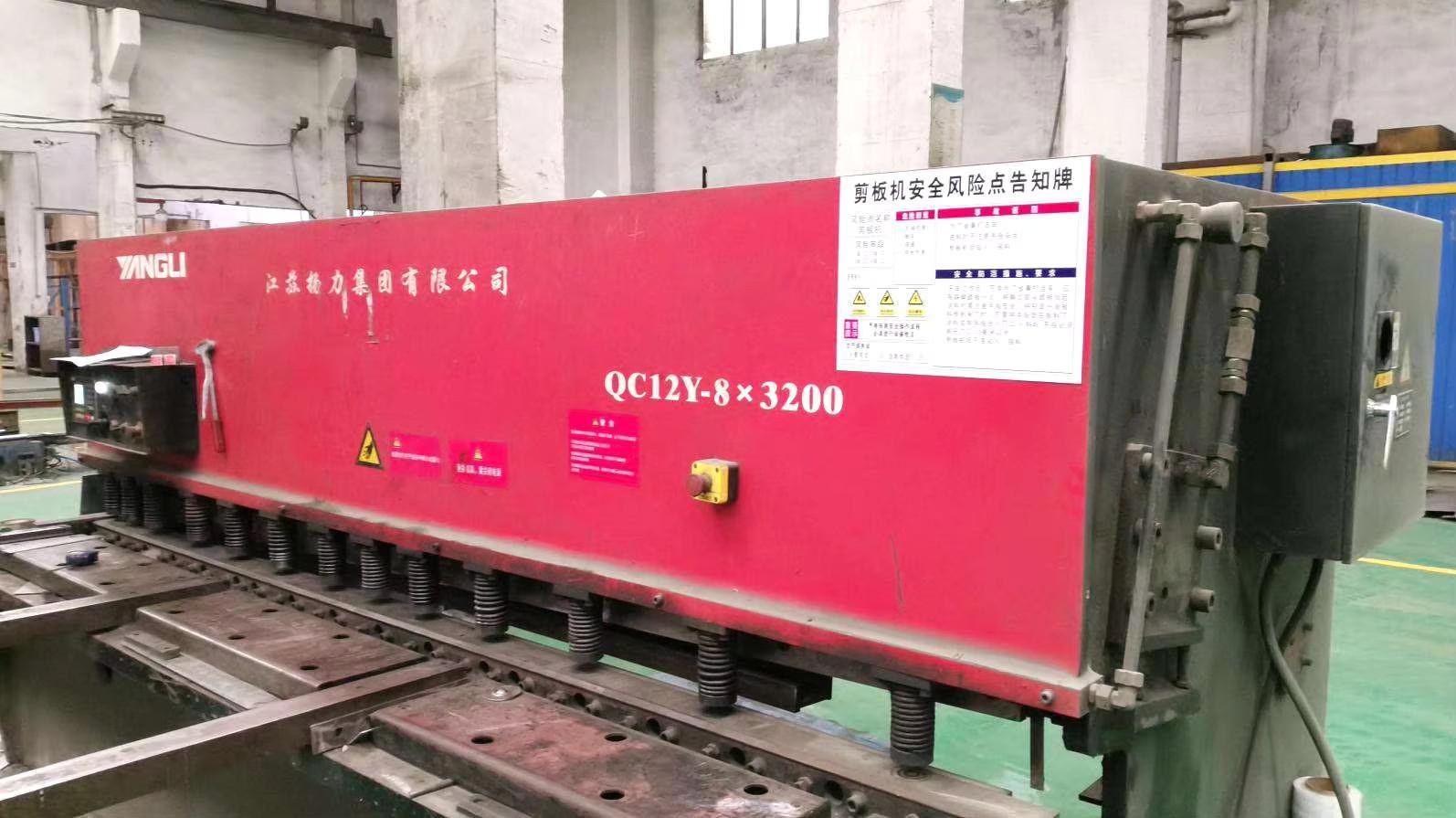 Plate Shearing M/C
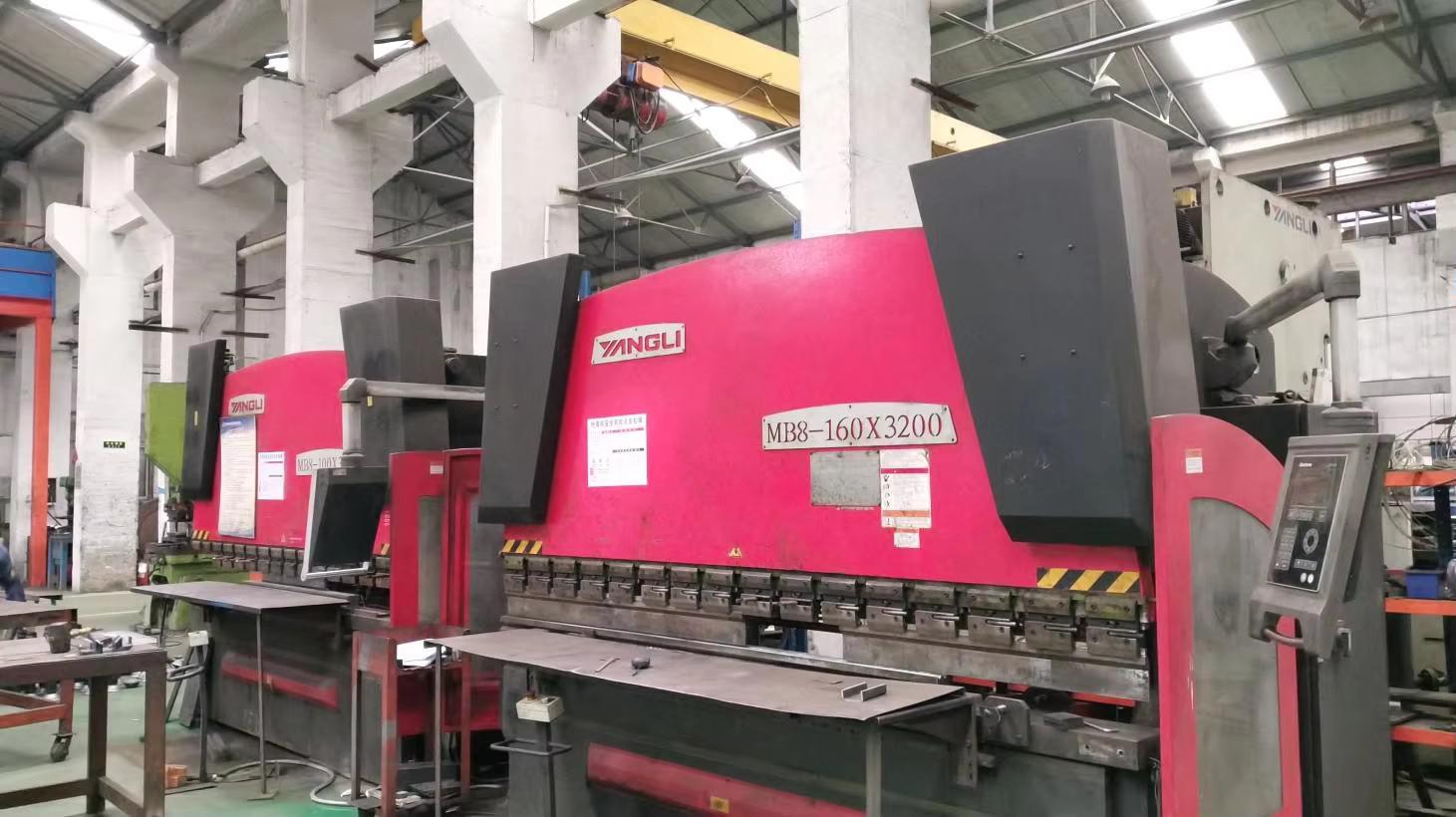 Plate Bending M/C
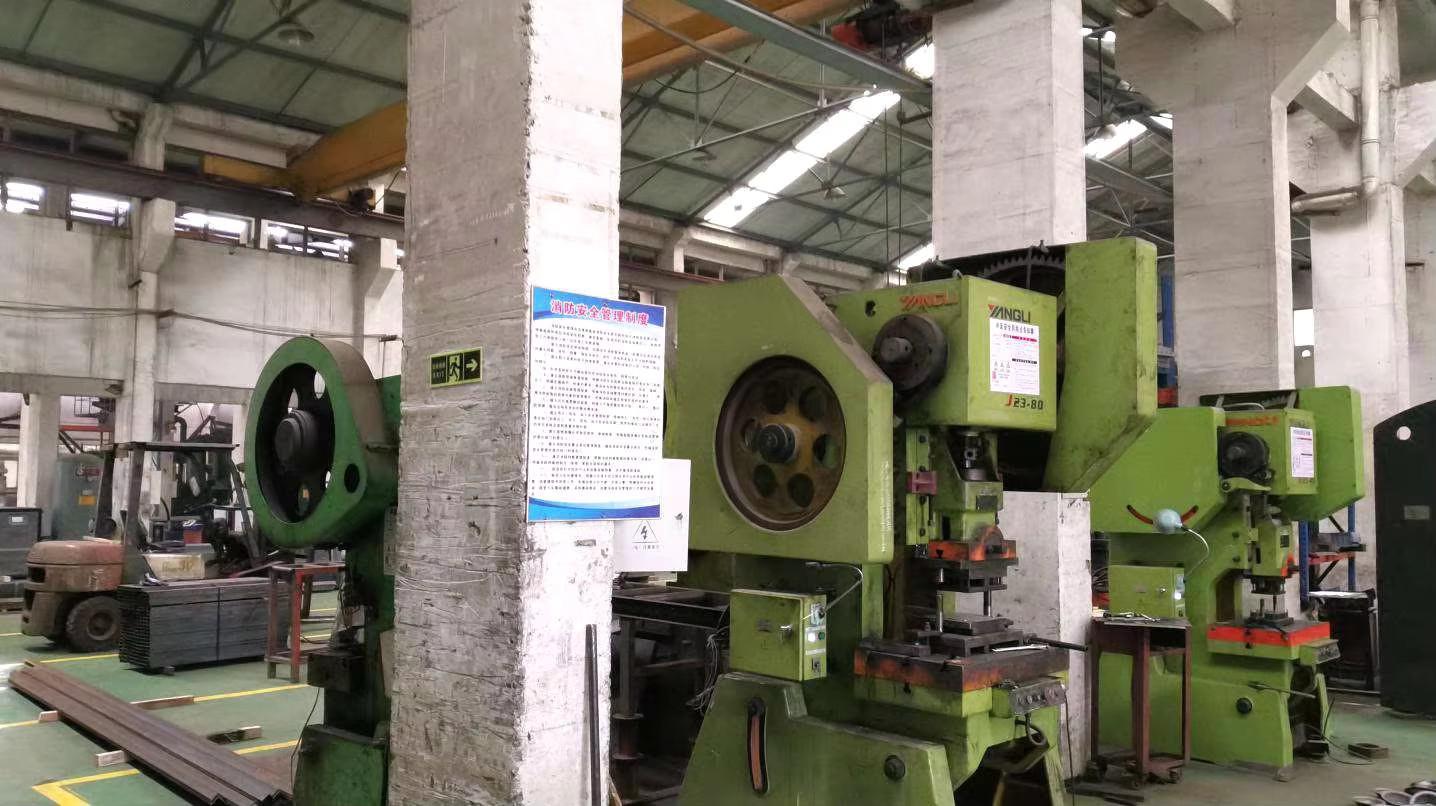 Stamping Punch M/C
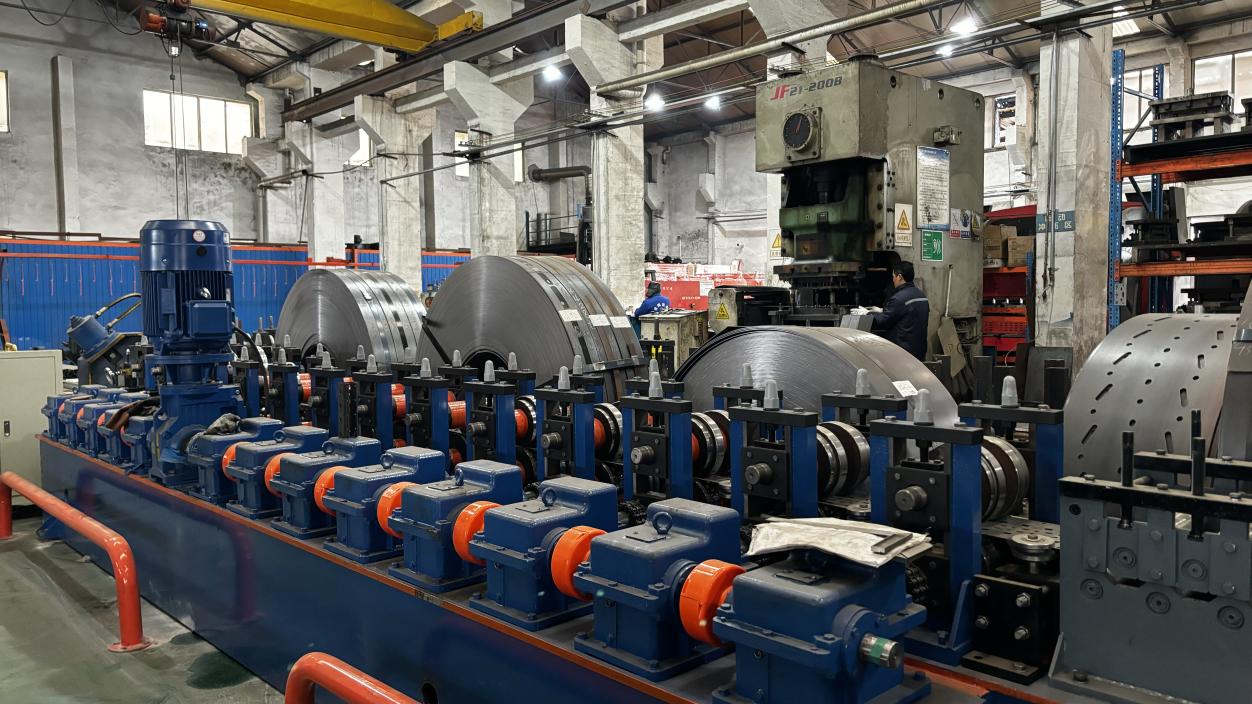 Continuous Punching Line
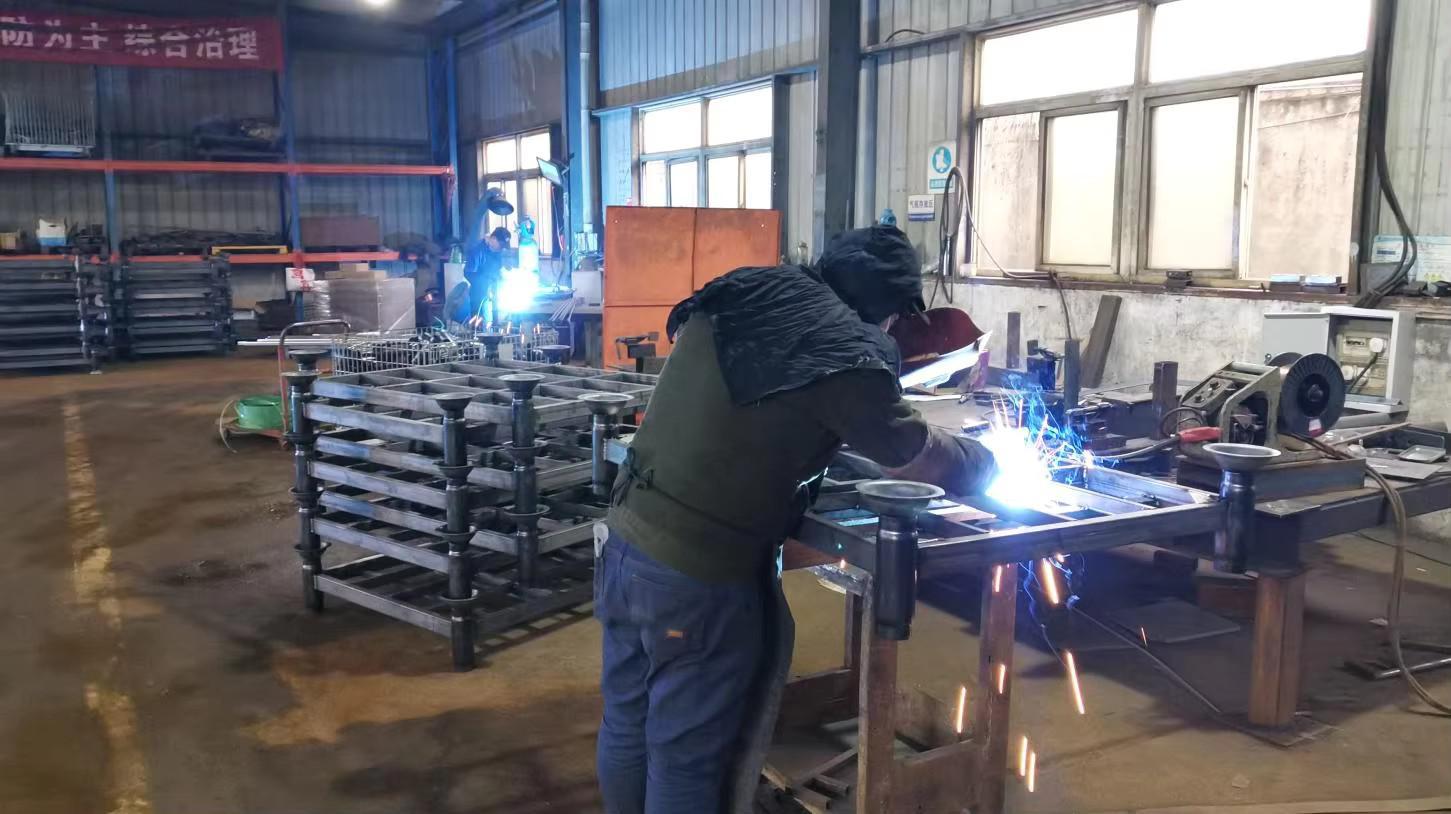 Precision CO2 Welder
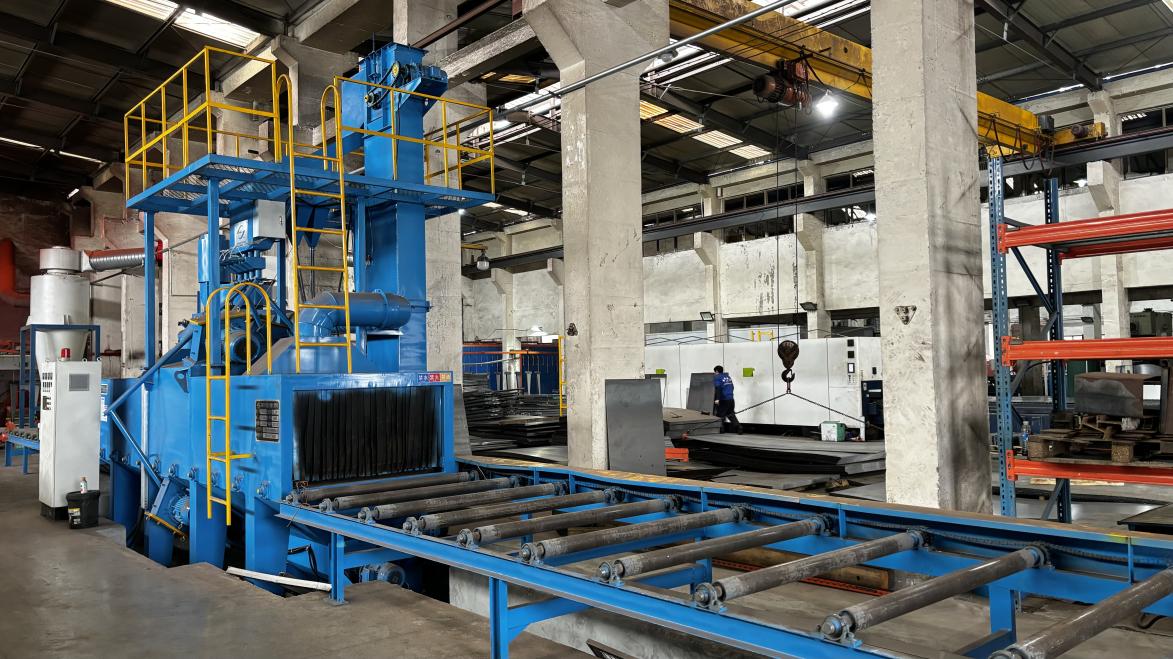 H-Beam Shot Blaster
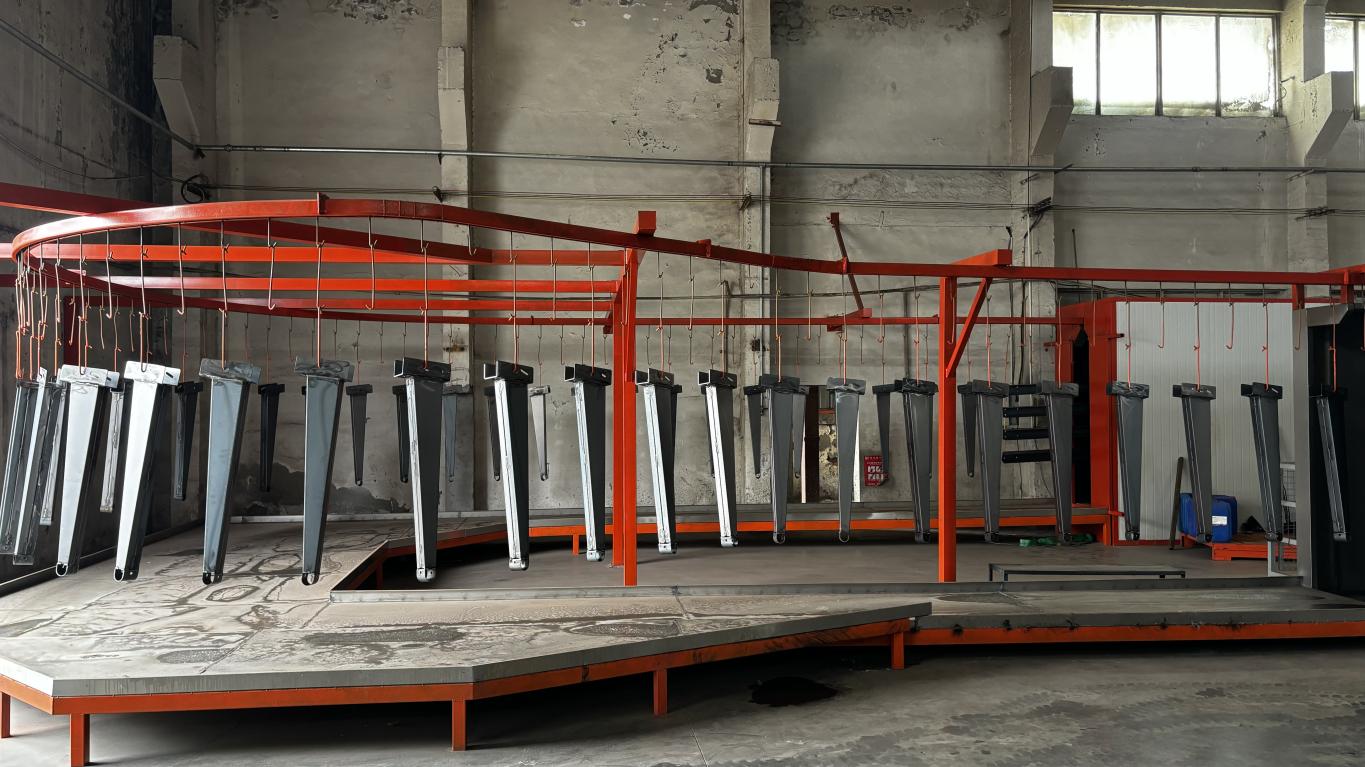 Powder Spray System
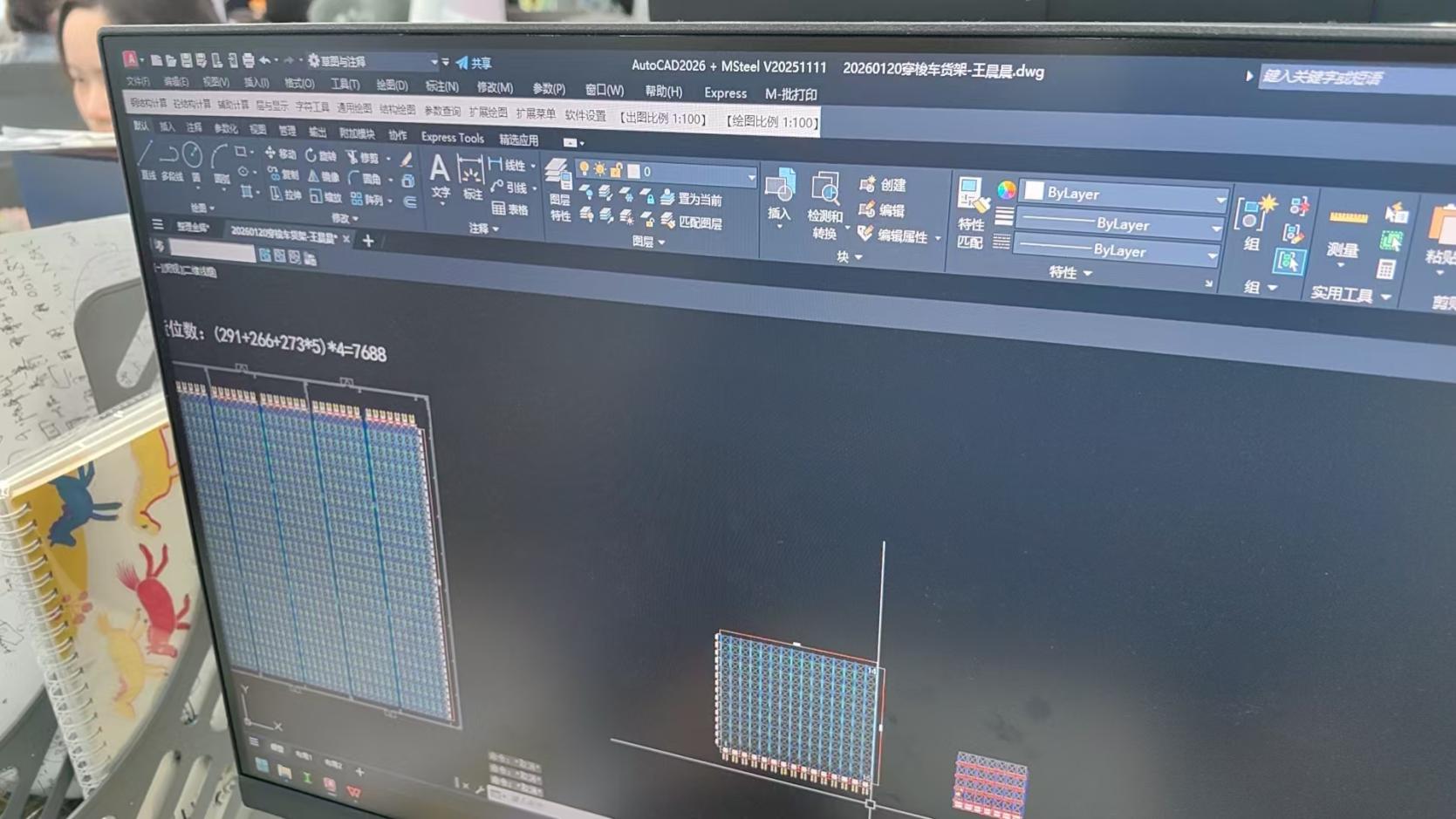 3D SolidWorks Design
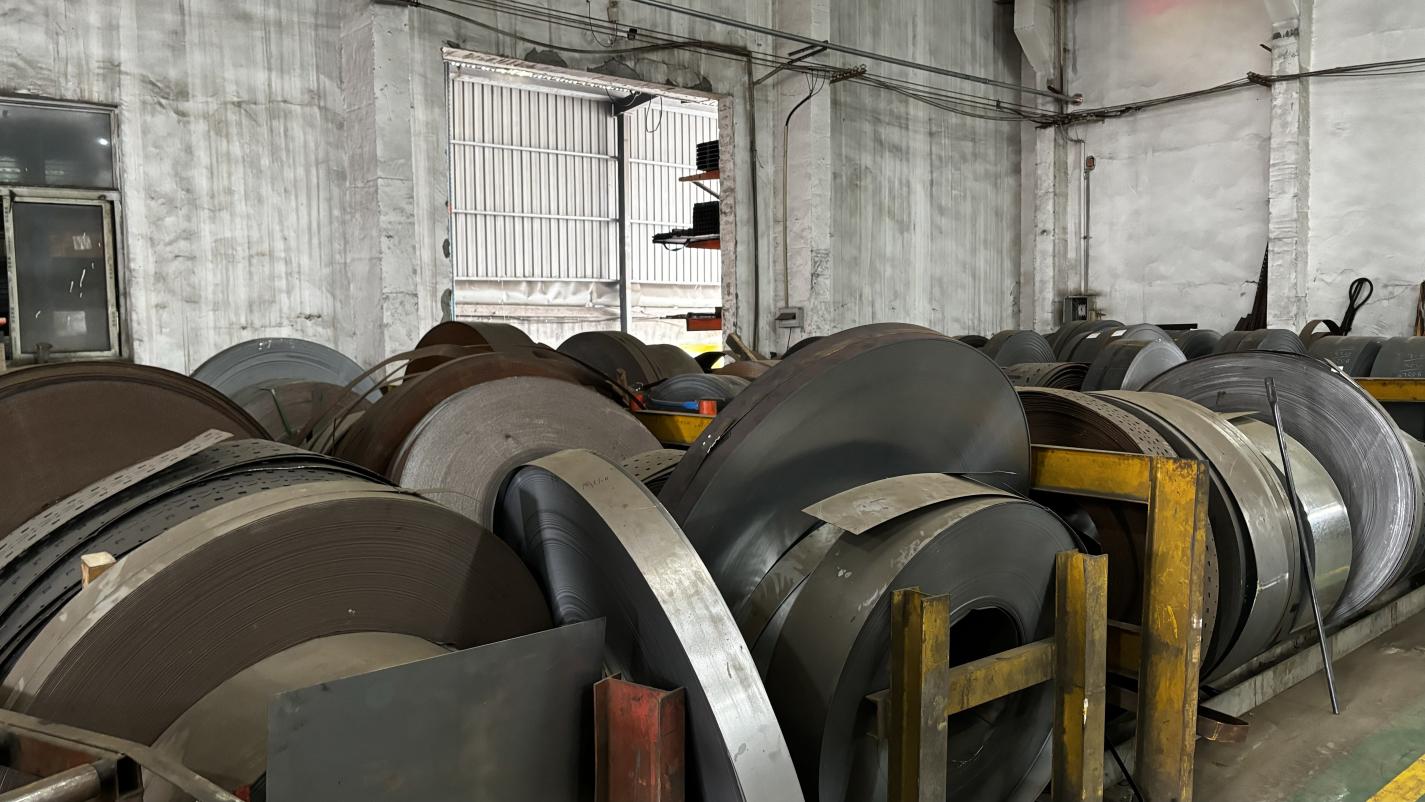 Raw Materials Inspection
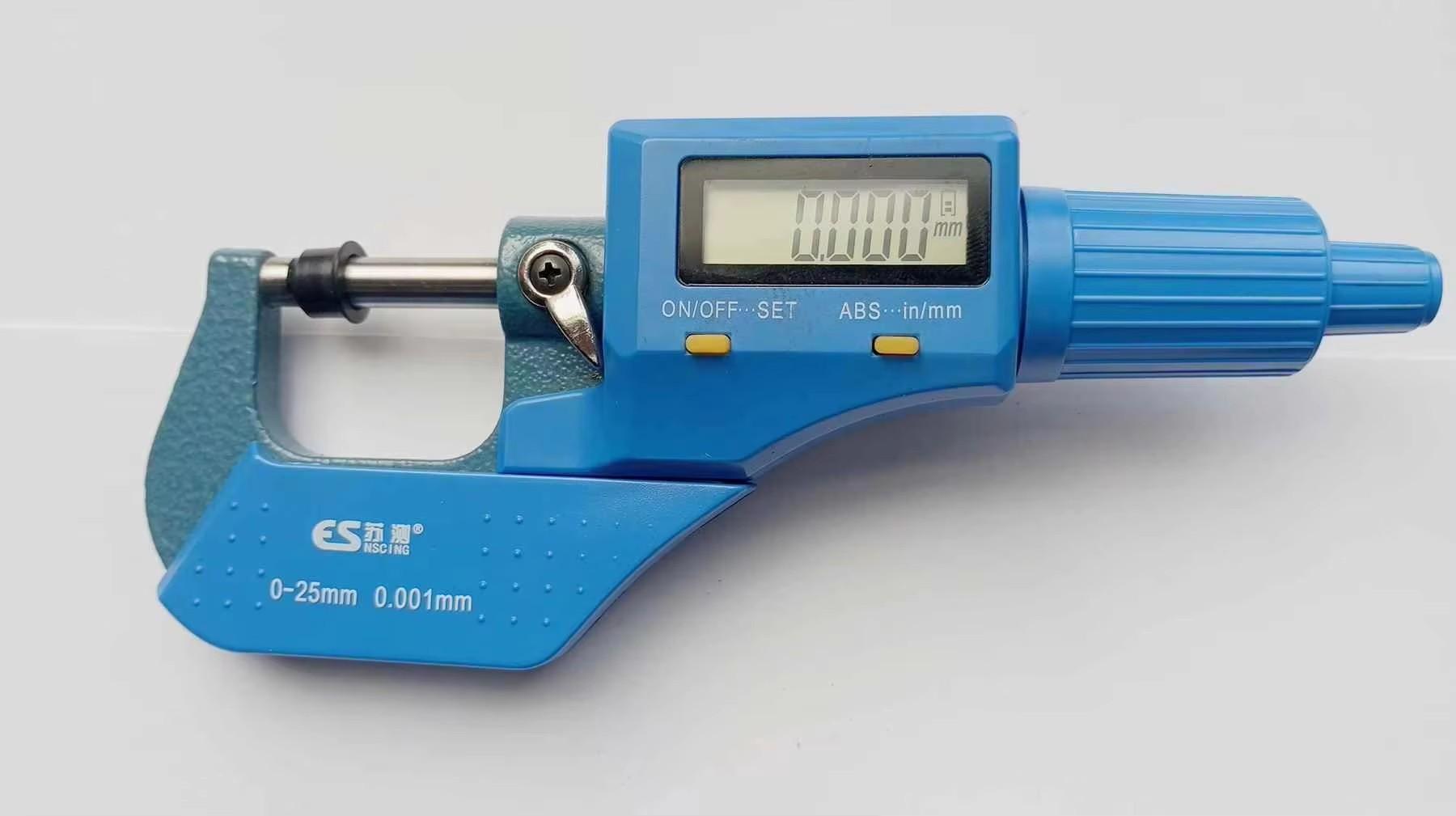 Micrometer Calibration
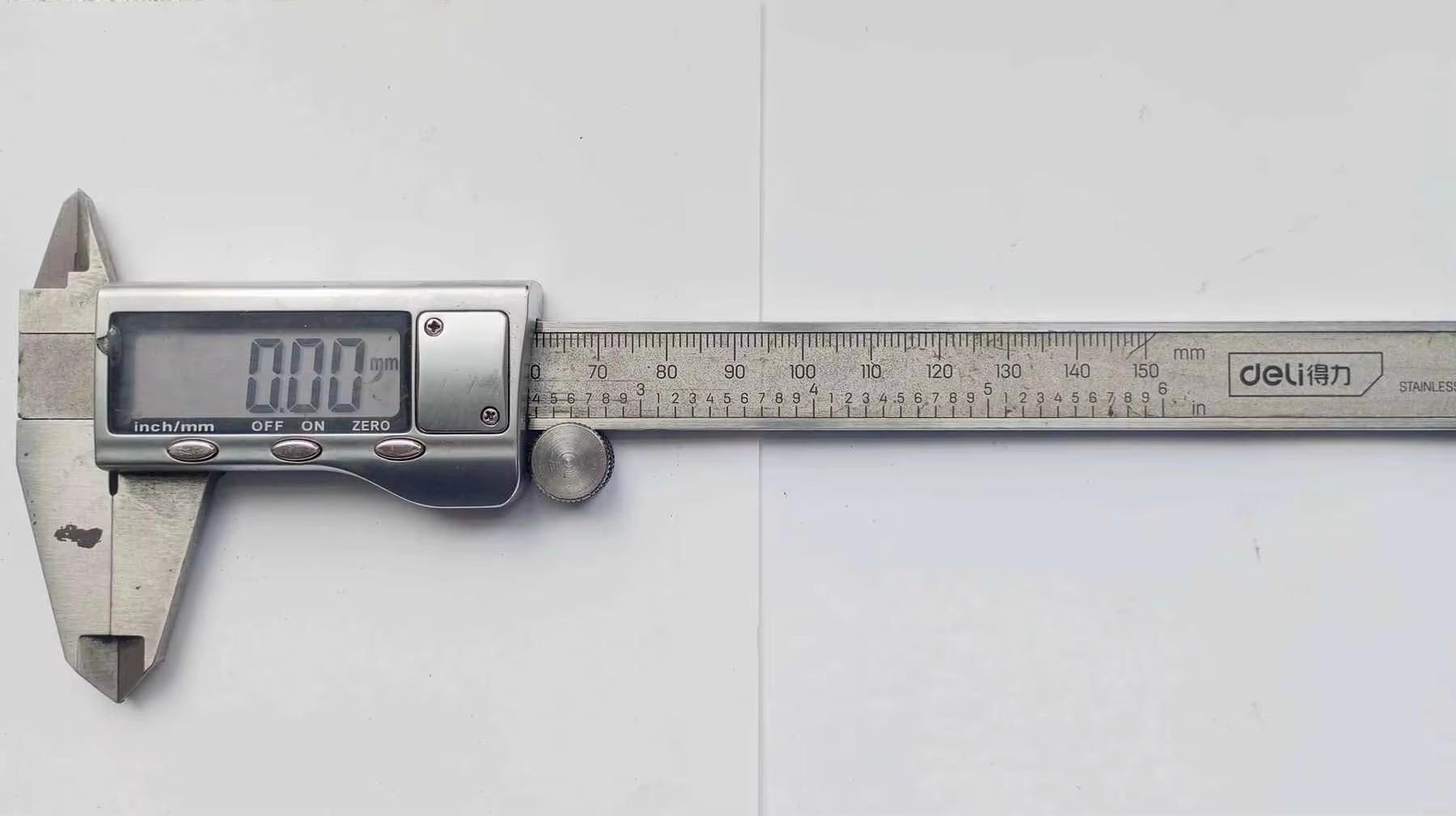 Vernier Caliper Measurement
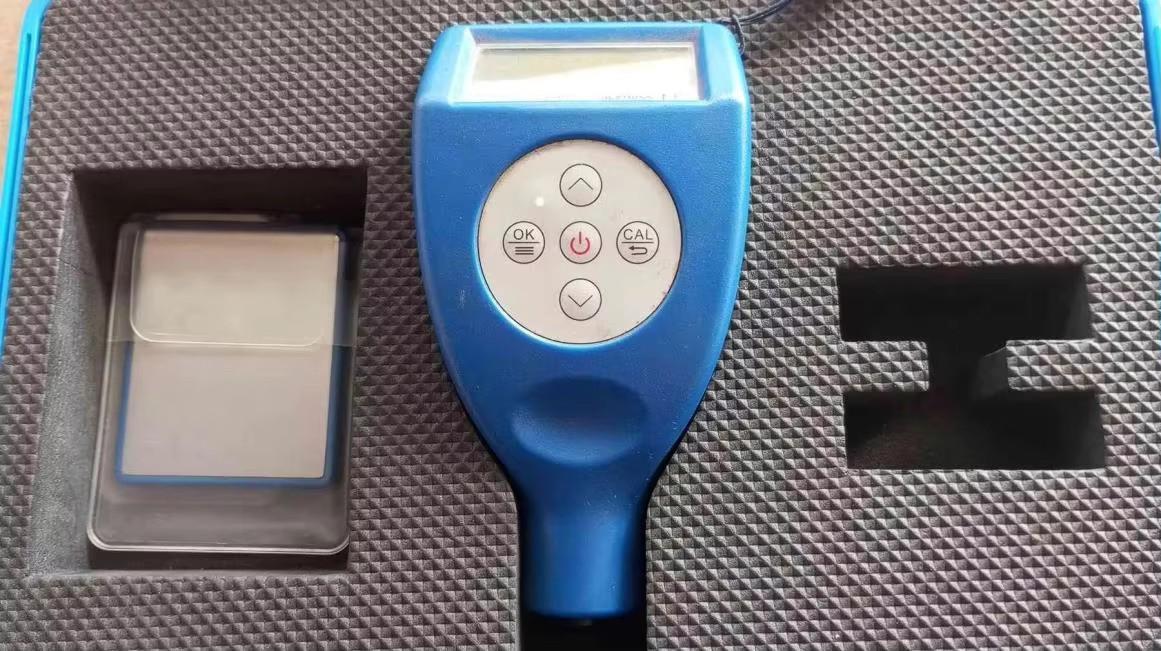 Coating Thickness Gauge
Bespoke spatial engineering tailored to distinct industry pain points, from heavy manufacturing to cold-chain warehouses.
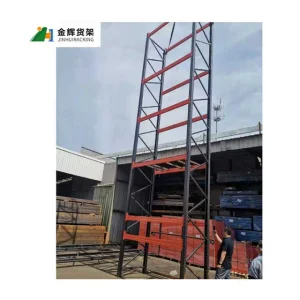
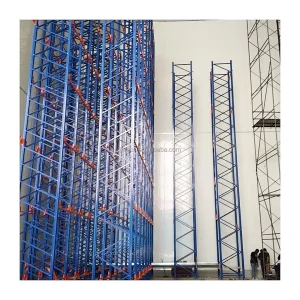
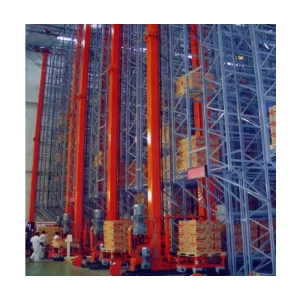
High-density warehousing operations depend heavily on AS/RS architectures. Jinhui designs structural vertical racking systems engineered to integrate with robotic crane and shuttle platforms, ensuring load-bearing strength up to 30 meters high.
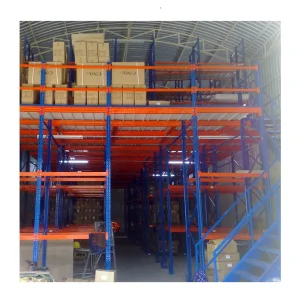
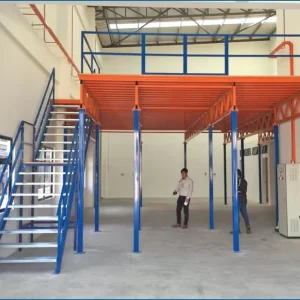
For operations aiming to expand floor space without building out, our structural steel mezzanines offer multi-tier warehouse configurations. Designed under strict dynamic load guidelines, these platforms support offices, production assembly lines, or additional storage systems.
Sub-zero cold chain storage places unique demands on steel structures, which are susceptible to low-temperature embrittlement. Jinhui utilizes specialized steel chemical compositions combined with high-durability powder coatings to protect structural integrity in temperatures down to -30°C.
How our team of 46 quality control experts ensures absolute adherence to international engineering standards.
Global procurement of heavy steel structures requires verification of compliance and quality at every production phase. At Jinhui, we run a quality testing laboratory managed by 46 experienced inspectors. From checking chemical mill certificates for incoming raw steel to running dimensional testing on finished racks, we monitor every step to limit variables in structural capacity.
Our quality verification processes are built around critical metrics:
By coordinating with over 980 supply chain partners, we secure high-grade raw steel during market fluctuations, keeping our production lines running and delivering projects on schedule.
Understanding the evolution toward automated warehousing, high-density configurations, and sustainable manufacturing.
The global warehousing industry is rapidly evolving, driven by the rise of automation, regional seismic building codes, and green logistics mandates. Industrial steel structures are no longer simple static frames; they must serve as highly dynamic, interactive frameworks supporting automated shuttle fleets, autonomous cranes, and complex conveyor setups. This evolution is reshaping modern structural steel design in three major ways:
1. Shift to High-Tolerance Autonomous Space Racking
As warehouses transition toward fully automated AS/RS designs, structural tolerances must become significantly tighter. Traditional static racking allows for minor deviations, but automated shuttle rails require precision within millimeters over runs spanning dozens of meters. Our engineering team addresses this by using advanced roll-forming machinery and laser-aligned punching units to prevent structural drift and protect automated components from wear.
2. Advanced Seismic & Dynamic Load Modeling
Modern building regulations require structures to withstand dynamic stresses from earthquakes and heavy machinery operations. Jinhui uses Finite Element Analysis (FEA) software to simulate seismic events and model complex load distributions. By strengthening critical frame nodes and optimizing baseplate layouts, we construct structures that distribute dynamic stresses safely down to concrete slab foundations.
3. Low-Impact, Eco-Friendly Surface Coatings
Industrial paint systems are shifting toward eco-friendly solutions. Jinhui uses dry electrostatic powder coating setups that eliminate volatile organic compounds (VOCs) and allow for near-total reclamation of oversprayed powder. These coatings are baked at high temperatures to create a hard, impact-resistant shell that extends structural service life and performs reliably in harsh environments.
Technical answers to common engineering, customization, and export questions from procurement specialists.
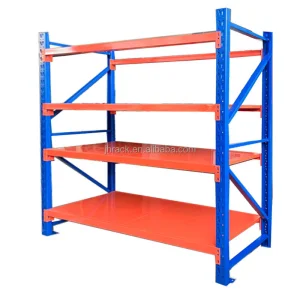
Explore our heavy-duty industrial storage line, engineered for high-density warehouse operations and distribution hubs.
 Jinhui Storage Equipment