Choosing the best Automated Storage System for your business is a critical decision. In recent years, the logistics and warehousing sectors have seen exponential growth. According to a report from MarketsandMarkets, the global automated storage and retrieval system market is projected to reach USD 13.44 billion by 2026, growing at a CAGR of 9.60%. This highlights the increasing reliance on automated solutions in various industries.
An Automated Storage System can enhance efficiency, reduce labor costs, and optimize space utilization. For instance, businesses implementing these systems often report a 30-50% increase in storage efficiency. However, every organization has unique needs and challenges. It’s essential to critically assess what features matter most for your specific operations.
While the potential benefits are significant, businesses must also reflect on the limitations. Factors such as initial investment costs, system complexity, and ongoing maintenance can pose challenges. Thoughtful consideration of these aspects will help ensure that you make an informed choice in selecting an Automated Storage System that aligns with your organizational goals.
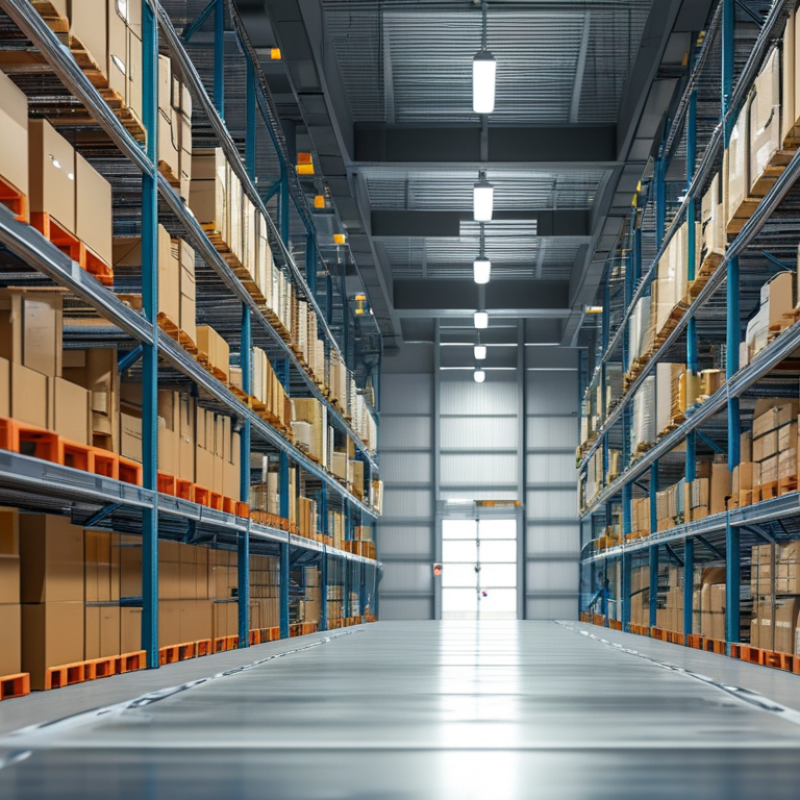
When evaluating automated storage systems, start by understanding your business needs. Consider the types of products you store. Think about size, weight, and frequency of access. These factors influence the type of storage system you may require.
Tips: Create a list of your most frequently accessed items. Assess their dimensions and weight for best-fit solutions. This can help guide your selection process.
Evaluate your warehouse space and layout. An efficient system maximizes available space. This can reduce your operational costs. Aim to find a balance between storage capacity and accessibility for employees.
Tips: Measure your current storage areas. Identify any underutilized spaces. Visualizing your layout can highlight opportunities for improvement in efficiency.
Don't ignore your anticipated growth. Automated systems should align with your future needs. A system that works today may not suffice in five years. Hence, think long-term when making your decision.
Tips: Analyze trends in your industry. Use this data for projections. It can prevent costly upgrades later on.
When evaluating different types of automated storage solutions, it’s crucial to identify your specific business needs. Many companies overlook factors such as space efficiency and retrieval speed. A study from the Warehousing Education and Research Council indicates that automated systems can improve storage density by up to 85%. This dramatic increase is particularly beneficial for businesses with limited space.
Consider various automated storage options like vertical lift modules (VLM), automated guided vehicles (AGVs), and shuttle systems. Each system has distinct strengths. VLMs are excellent for small items, while AGVs can move heavy loads quickly. However, adaptation can take time and training. In fact, 30% of companies report operational delays during initial implementation.
Tips to keep in mind: assess your inventory turnover rate. A higher turnover suggests that a fast retrieval system, like an AGV, may be ideal. Balance initial costs with long-term savings; the right choice can save up to 30% in labor costs over several years. Involve your team in the decision-making process. Their insights can highlight pain points that you may have overlooked, ensuring a more tailored solution.
When assessing the cost versus benefits of automated storage systems, it is crucial to analyze various factors. One significant aspect is the upfront investment. Many systems require substantial capital. However, understanding the long-term savings can be tricky. Implementing an automated storage solution often improves space utilization and reduces labor costs. Yet, the initial expense can turn off potential buyers.
Operational efficiency is another critical consideration. Although automation may streamline processes, it also demands advanced training. Staff may find technology intimidating. This can disrupt workflows and cause frustration. Additionally, ongoing maintenance costs might arise unexpectedly. These factors could negate some anticipated savings. Consider also the hidden costs related to software updates or system failures.
Ultimately, weighing short-term costs against long-term gains is essential. Every business is unique, and what works for one may not suit another. Conducting a thorough cost-benefit analysis is vital to ensure alignment with strategic goals. Balancing investment with operational effectiveness is not always straightforward. It requires careful planning and perhaps even re-evaluation of existing workflows. Embracing this complexity can lead to informed decisions that drive success in storage automation.
When implementing an automated storage system, several key factors come into play. Evaluating the specific needs of your business is essential. Understand the volume of items stored, their dimensions, and how often they are accessed. Think about how much automation you truly need. Full automation can be beneficial, but it may not always fit every company’s workflow.
Consider the layout of your facility. An effective automated system should optimize the space available. Customizing the layout can lead to greater efficiency and accessibility. Also, don’t overlook the system's scalability. A solution that grows with your business is invaluable. This adaptability protects your investment for the long term.
Integrating the new system with current operations is often challenging. It’s crucial to involve staff in the transition process. Training is necessary to ensure a seamless integration. Ongoing support from technology experts can help troubleshoot issues that arise post-implementation. A well-executed strategy can minimize downtime and enhance productivity significantly.
Automated storage technology is evolving rapidly. Businesses must stay updated with these trends to enhance efficiency. Systems now incorporate artificial intelligence, which improves inventory tracking. AI minimizes errors in stock management. This leads to better supply chain performance.
Robotics is another significant trend. More warehouses use robotic arms for picking and packing. This increases speed and accuracy. However, the initial costs can be high. Companies should carefully assess their long-term benefits versus short-term investment.
Additionally, sustainability is becoming crucial. Eco-friendly storage solutions are gaining traction. Businesses seek systems that reduce energy consumption. This shift not only helps the environment but can lower operational costs. Yet, it’s vital to ensure that new systems maintain reliability. Balancing innovation with proven technology is essential for success.
| Feature | Importance Level (1-5) | Adaptability to Future Trends | Estimated Cost ($) |
|---|---|---|---|
| Scalability | 5 | High | 20,000 |
| Energy Efficiency | 4 | Medium | 15,000 |
| Integration with Existing Systems | 5 | High | 25,000 |
| User-Friendly Interface | 4 | Medium | 10,000 |
| Maintenance Requirements | 3 | Medium | 8,000 |
| Automation Level | 5 | High | 30,000 |
: Start by understanding your business needs. Identify the types of products you store.
Create a list of frequently accessed items. Assess their dimensions and weight for best-fit solutions.
An efficient system maximizes available space. This can help reduce operational costs significantly.
Measure current storage areas. Identify underutilized spaces to highlight areas for improvement.
Anticipate growth by analyzing industry trends. This can prevent costly upgrades down the line.
Consider the upfront investment and long-term savings. Assess operational efficiency and unexpected maintenance costs.
Staff may find new technology intimidating. This can disrupt workflows and lead to frustration.
Hidden costs can arise from software updates or system failures, negating anticipated savings.
Yes, it ensures alignment with strategic goals. Each business has unique needs and solutions.
Balancing investment with operational effectiveness requires careful planning and sometimes re-evaluation.
When choosing the best Automated Storage System for your business, it's crucial to start by understanding your specific needs. Different types of automated storage solutions cater to various requirements, from high-density storage to quick retrieval systems. Evaluating each option involves assessing not only the initial investment but also the long-term benefits, ensuring the system aligns with operational goals.
Implementing an Automated Storage System requires careful planning, considering factors such as space, scalability, and integration with existing workflows. As technology evolves, staying informed about future trends in automated storage can further enhance efficiency and productivity. By following these guidelines, businesses can make informed decisions that optimize their storage capabilities while adapting to changes in the marketplace.

Jinhui Storage Equipment